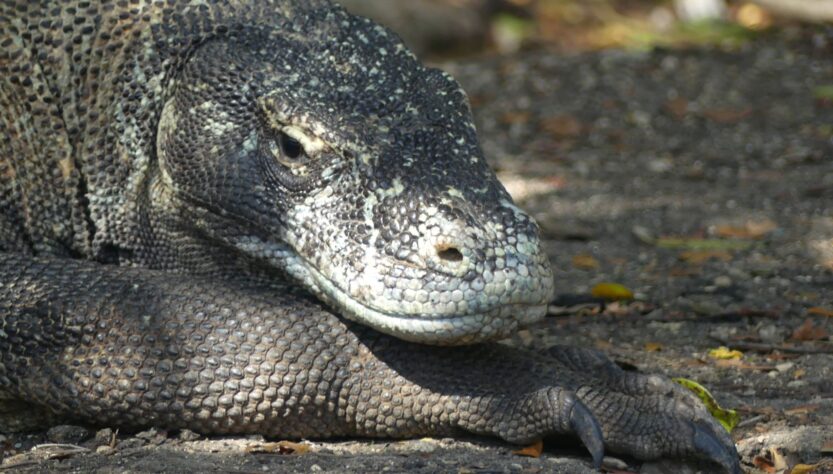
Story, photos and videos by Steve Frankham
THE SUNDOWN
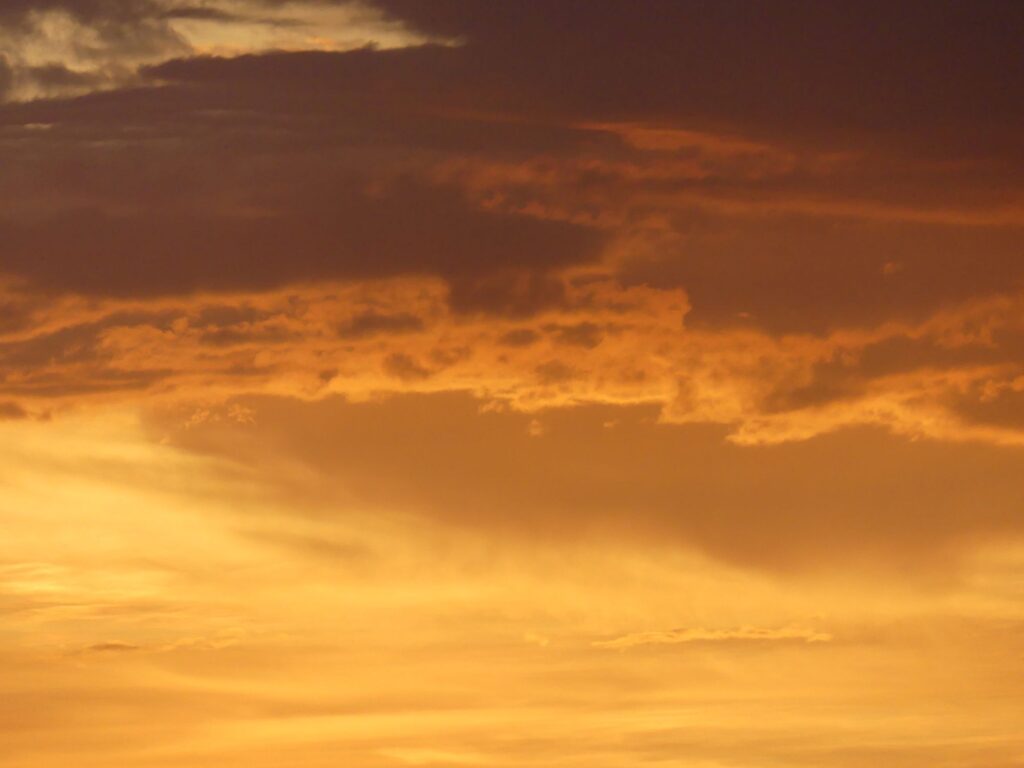
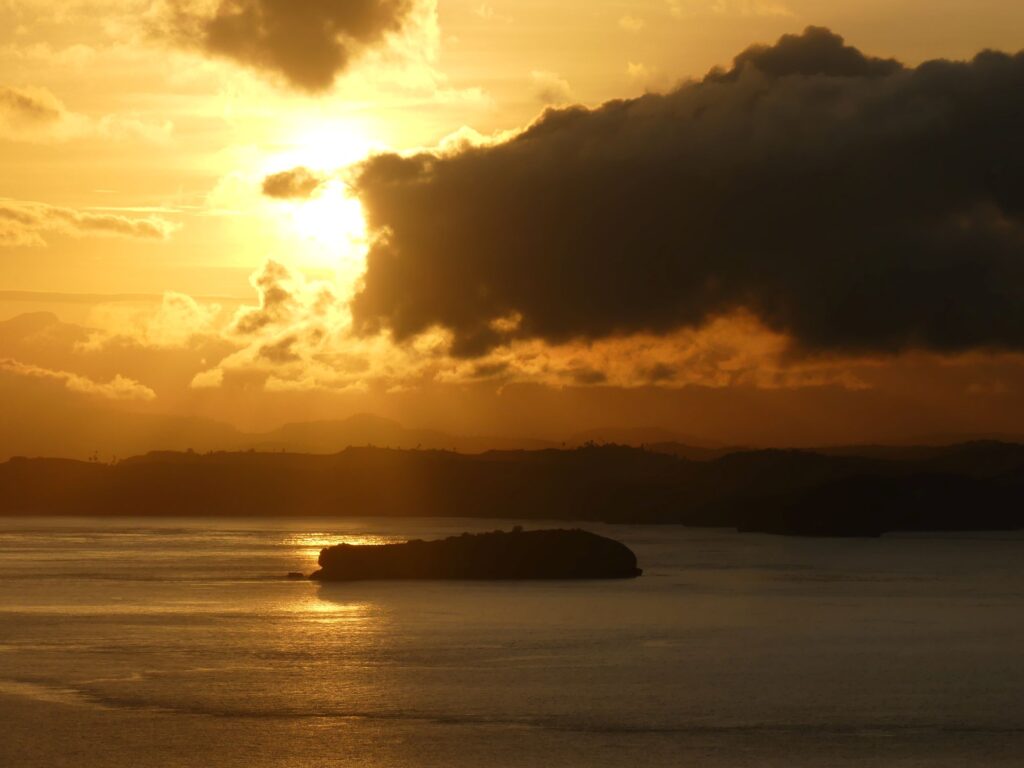
We’re rolling gently on the waves on a traditional Pinisi fishing boat. The sun is sinking towards the horizon in the west, turning the sky a fiery orange, silhouetting the striking peaks of the islands beneath it. A gentle cooling breeze ruffles the sea’s surface, and my backpacker companions are largely silenced by the natural beauty before us. It’s a moment to be savoured.
BLACK MAGIC AT DUSK
A couple of hundred metres away is Kalong Island. It’s small, low-lying, and engulfed in dense, tangled mangrove forests. We are waiting. The sun sinks behind the rugged peaks on the horizon, and the light begins to leave the sky, turning it a velvety purple. Then it happens. Shapes begin to appear in the sky…black, silhouetted masters of the night, fruit bats, or flying foxes, first in ones and twos, then in the hundreds, then everywhere. Black magic in the dusk.
THE UNEXPECTED
We’re in Komodo National Park in Indonesia. I, like the others on the boat, am here for dragons, the masters of this land, and the world’s largest lizards, reaching up to 3 metres in length. Not that they are unimpressive, but it is often the unlooked-for, spontaneous moments which leave the greatest impression.
KOMODO DRIFT
Don’t expect to have these islands all to yourself. Komodo’s fame has ensured a steady stream of tourists to Labuan Bajo, the port town that is the gateway to the National Park. Having said this, it’s still a magical experience. Drifting around the islands on a ramshackle boat is something I heartily recommend.
GOOD COMPANY AND THE NIGHT SKY
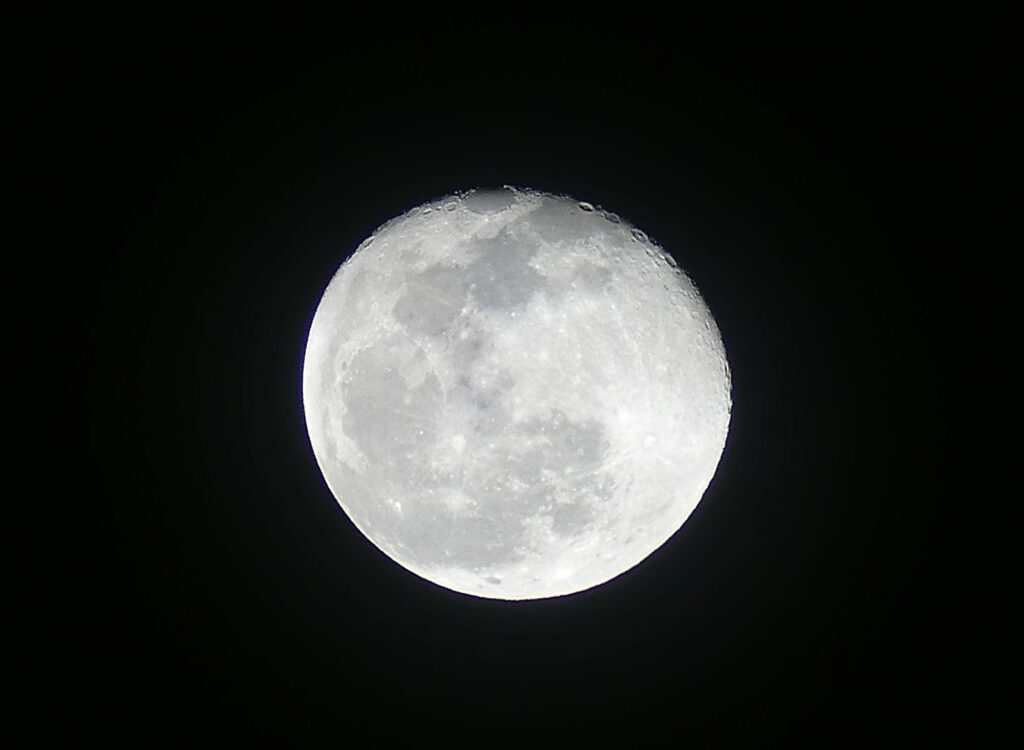
As the show with the bats concludes, our boat chugs off through the night, towards the morning’s destination of Padar Island. Caressed by the rocking of the waves, I lie on the top deck, staring up at the night sky as the Milky Way reveals itself, a great white stripe across the heavens. Casual, friendly conversation with new friends, staring at the twinkling lights far above, sharing stories and dreams of the future. Something our furthest ancestors would have recognised, but so many have lost in our busy, social media-obsessed lives. Good company and the night sky.
NEW FRIENDS, NEW EXPERIENCES
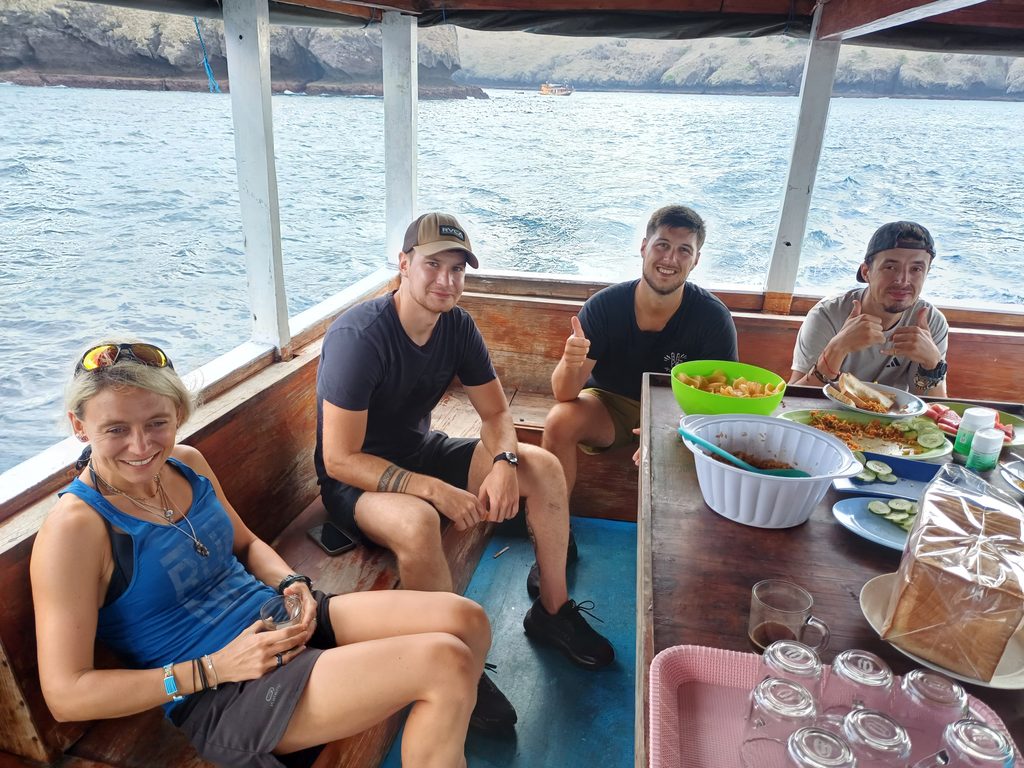
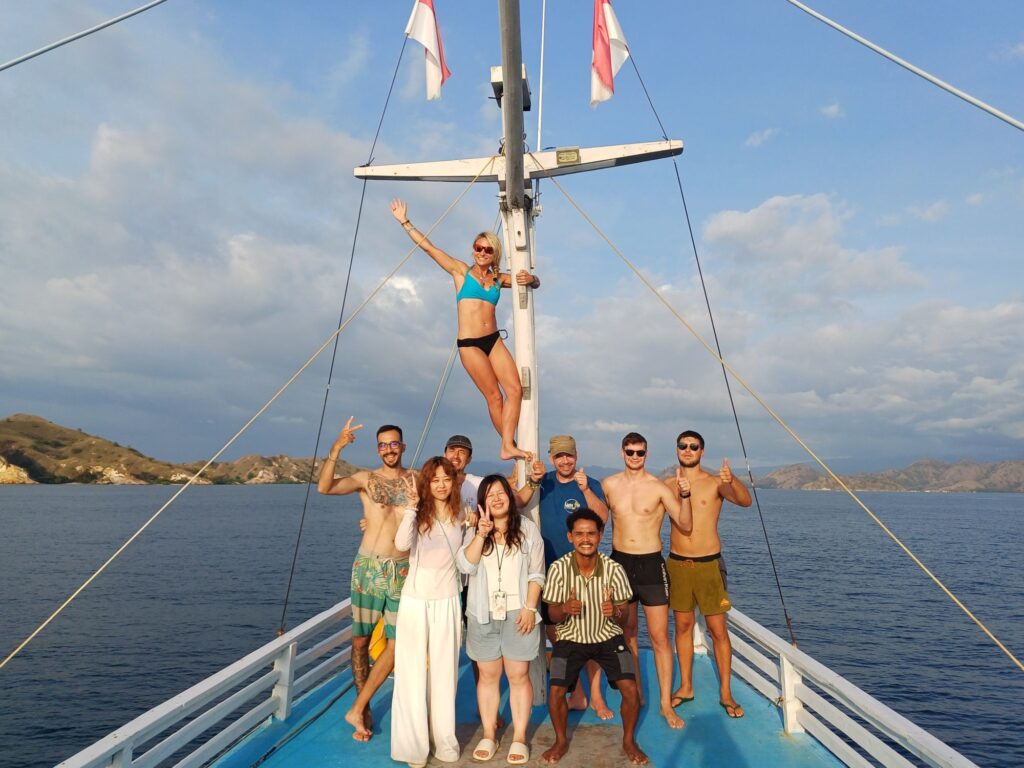
As is often the way of travelling, one of the joys is meeting new people. I can’t think of a better way than a bunch of strangers being thrown together on a rickety boat. Picked up from my homestay by the boat company, we quickly zip around, picking up the rest of the passengers: a couple of friendly Spanish boys, two fairly shy but gentle Chinese girls, plus a couple of others.
JAGNA
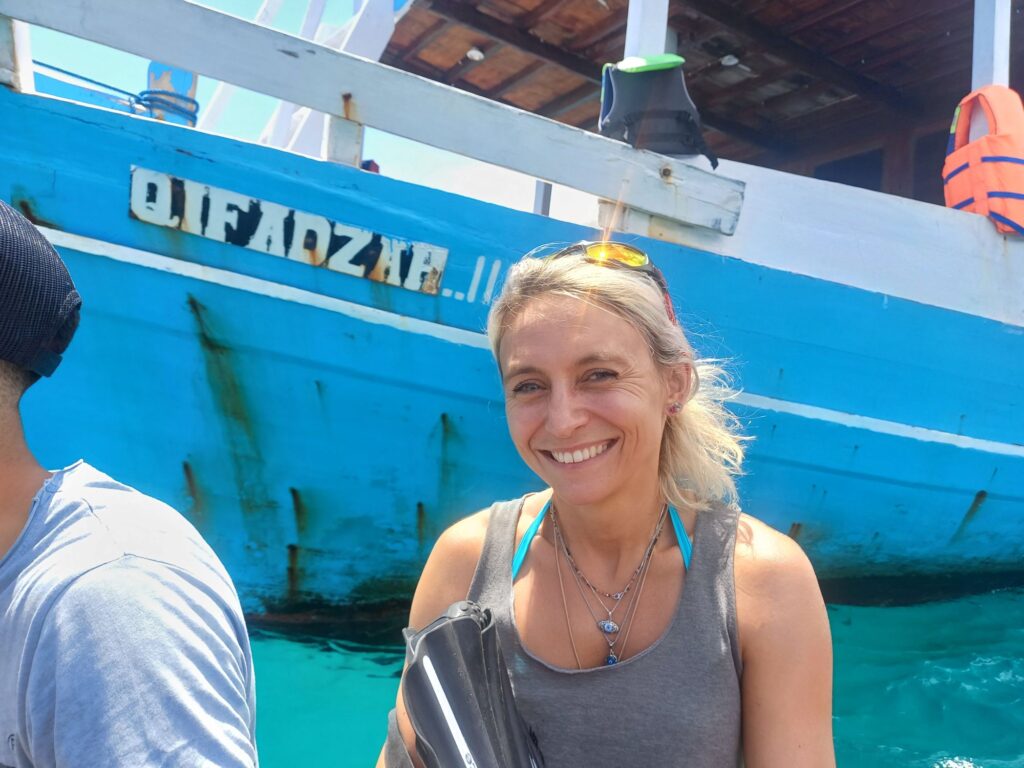
The first person we pick up is Jagna Obrebska, from Poland. You just get a feelin’ with some people. As Jagna wanders out from her hostel, sits on the back seat of the car, and we start chatting, I know instantly I like her. A former flight attendant for Emirates, she’s now truckin’ around the world, searching for a new direction in life. Fun, but thoughtful, intelligent and spiritual, we still keep in touch a year later. It would be nice to travel together again one day.
ANOTHER DAY, A NEW ADVENTURE
We board the boat at Labuan Bajo’s bustling harbour, with little, if any, fanfare. I chuck my stuff on the bottom bunk in the cabin I share with Jagna, and we’re off. Our vessel chugs out over the glittering sea, towards the harsh, yellow, wild islands of the Komodo National Park.
KELOR
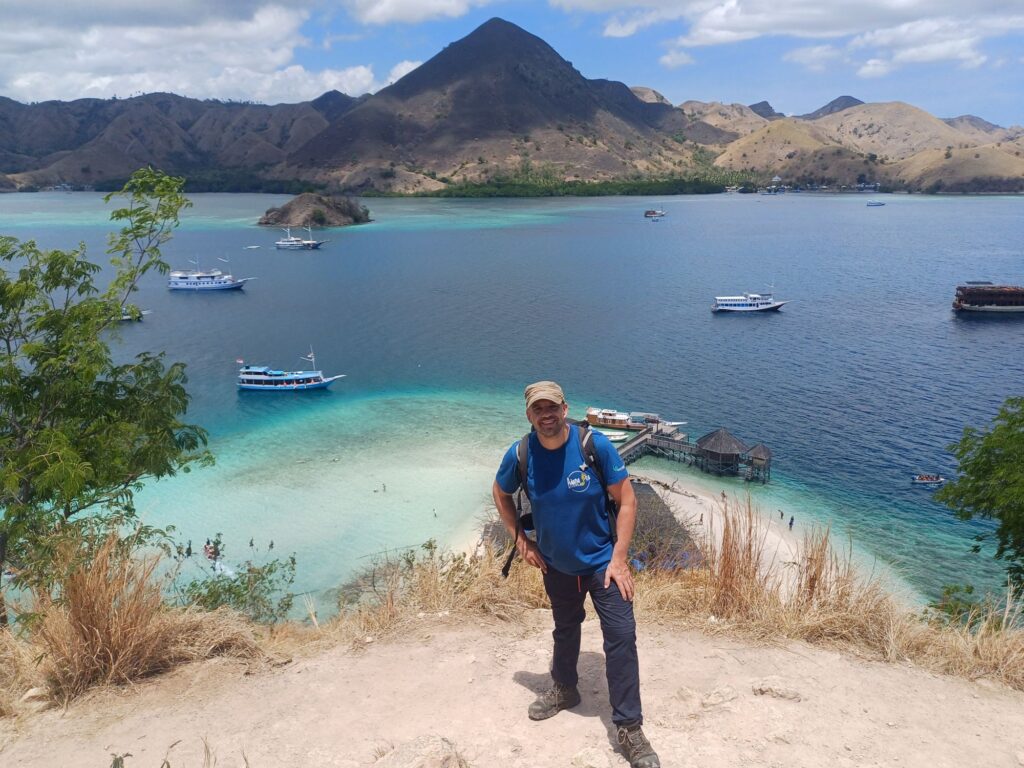
Pretty much all budget ‘liveaboard’ boats around Komodo share a similar itinerary, and our first stop is the tiny but striking Kelor Island. The main point in visiting this island is a short hike up the steep triangular hill to a viewpoint over the surrounding islands, and below, to the luminous blue shallows that drop sharply into the deep blue. Kelor is known as the haunt of young blacktip reef sharks, who seem to treat the shallows as a nursery. Even from the hill, we can see their distinct forms, slicing through the water below us. A quick chance to snorkel on the beach brings us up close and personal. There’s not much in the way of healthy coral in the shallows, but the sharks and the view combine to make Kelor a worthwhile stop.
HIT AND MISS
Next there is a snorkelling stop at a section of mangrove-lined coastline. I wasn’t quite sure where this was, and to be honest, the site didn’t really impress as a good snorkelling spot. There was plenty of nice staghorn coral, but it was too deep to really appreciate just with a mask and snorkel.
Also, this is where the haphazard, slightly unorganised nature of ‘cruise’ showed itself. Only one ‘guide’ on the boat spoke any English, and, with a strong current, we were told we would be picked up by the dinghy. The ‘when and where’ of this was not explained. I’m very confident in the water, but soon our group was separated, and for around ten minutes at the end I was left wondering whether the dinghy had forgotten about me, or whether I should swim for the mangroves before being flushed further out to sea. Things worked out fine, but, especially for people not comfortable in the water, safety standards can be lax in the extreme. I’ll talk more about this later.
Next was Kalong Island – with which I opened the article. Part of the pleasure of the journey is the lovely nature of cruising gently round the islands, just taking in the magnificent seascapes.
PADAR ISLAND
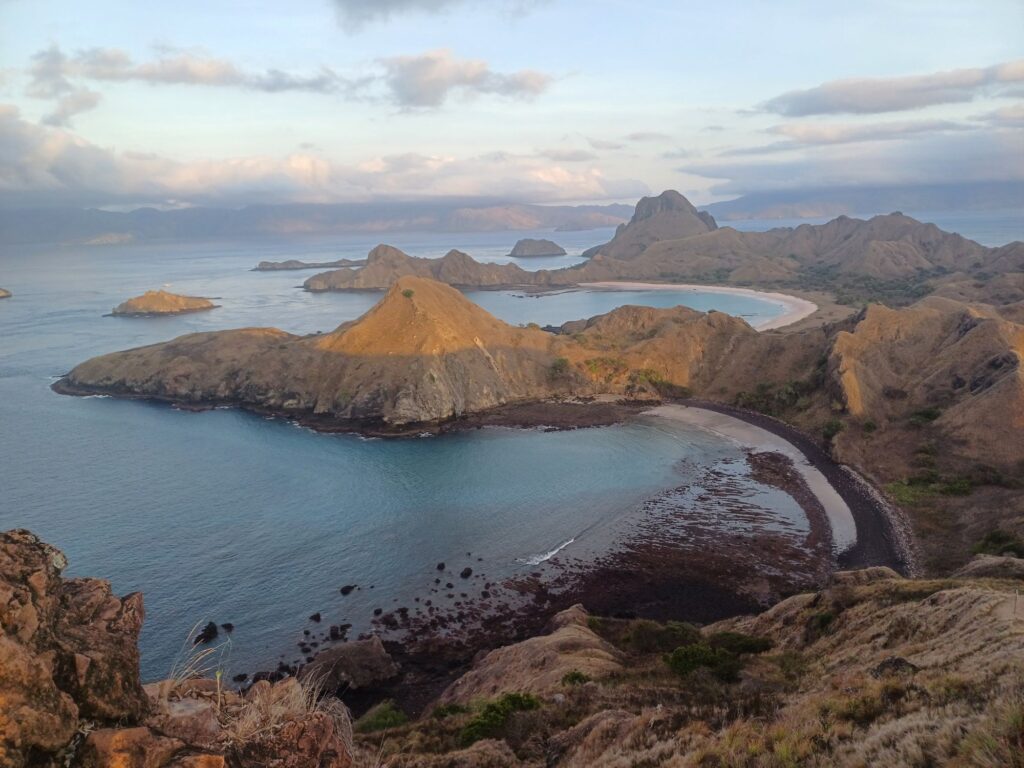
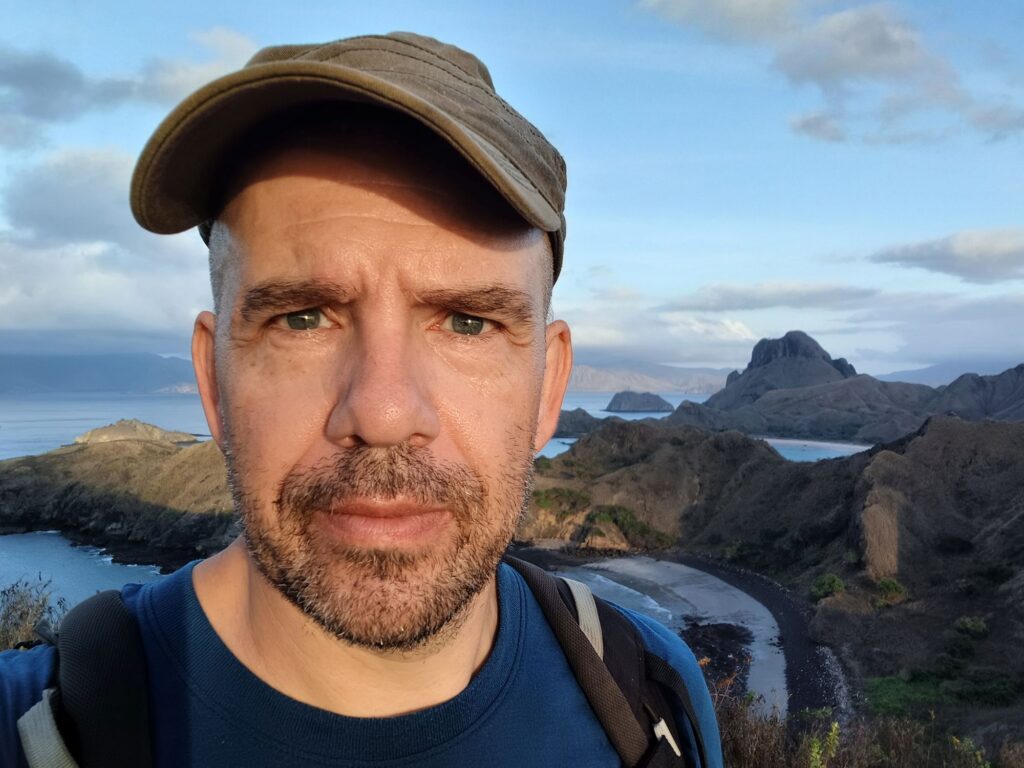
This Island is the third largest in the archipelago (after Komodo and Rinca). It’s also somewhat of a ‘poster child’ for Komodo National Park, with its famous mountainous aspect flanked on both sides by crescent bays. Come 5 am in the morning, still in the pitch dark, I pull myself out of my bunk and get ready for the hike up to the island’s famous viewpoint. We’re whisked by dinghy to the shore, and begin our hike up the steep mountain that crowns the island.
It’s here, perhaps more than anywhere else on the journey, I feel Komodo’s outsize popularity. I’m part of a snaking line of backpackers and tourists, trekking by torchlight up to the summit. It feels like a bit of a circus. Nevertheless, as the sun slowly illuminates the sky, the island below, and the glittering golden sea, it’s easy to appreciate why this is considered an ‘essential’ of the Komodo circuit. Cameras click, selfies are taken, and I readily admit I’m as much a guilty party as any! Still, a few minutes after the sunrise, I descend from the peak for a bit of peace. The view is beautiful, but I note, on the far side of the island especially, the beaches are awash with plastic rubbish. That is the world that we have made.
CERVINE ELEGANCE
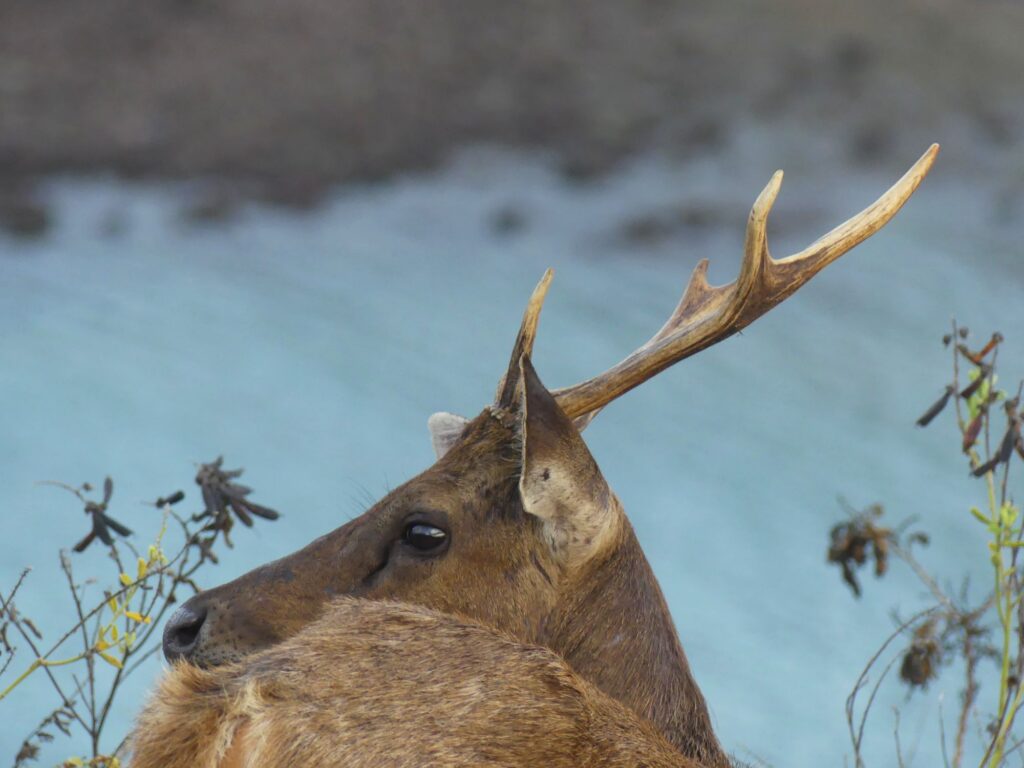
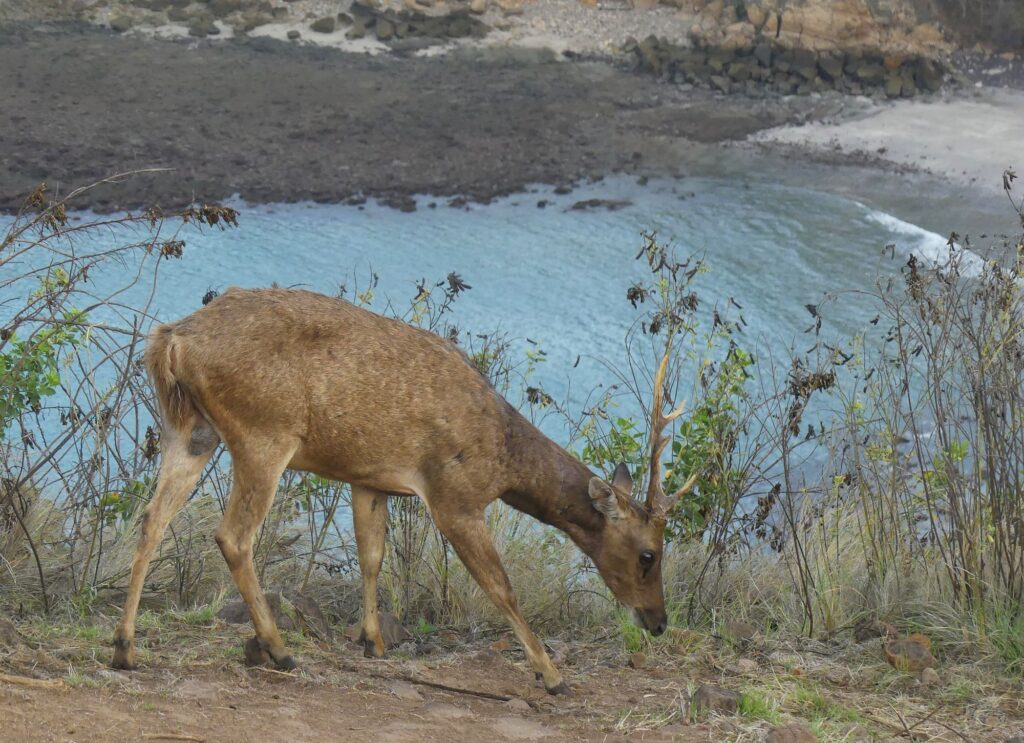
As I descend, I notice a beautiful Timor deer, browsing contentedly on the hillside. The deer are one of the key prey species of the dragons. I’m absorbed by the elegance of this wild creature. People zip past in their hurry to hit the next ‘spot’ on the route, unaware of the wild spirit just a few meters away. For me, it’s a fleeting, private moment of magic.
PLASTIC, FAR FROM FANTASTIC
Back on the beach, I hear a German tourist angrily chastising the park rangers about the plastic on the beach (even though this beach is relatively clean, compared to the beaches on the far side of the island). It’s a fair point, but as long as our plastic addiction continues and we dump millions of tonnes of this shit into the sea worldwide, it will be a problem that worsens every year. It doesn’t matter whether this is in the ‘first’ or developing world. The problem needs to be solved, but, as I highlighted in my Komodo Conservation Article, the National Park is severely under-resourced, despite its popularity. You can travel to the remotest corners of the earth, uninhabited Pacific Islands or the Antarctic Peninsula, and you will find this filth of humanity. The story of a so-called ‘intelligent’ species treating their one and only home like an open sewer.
THE SIRENS PLACE
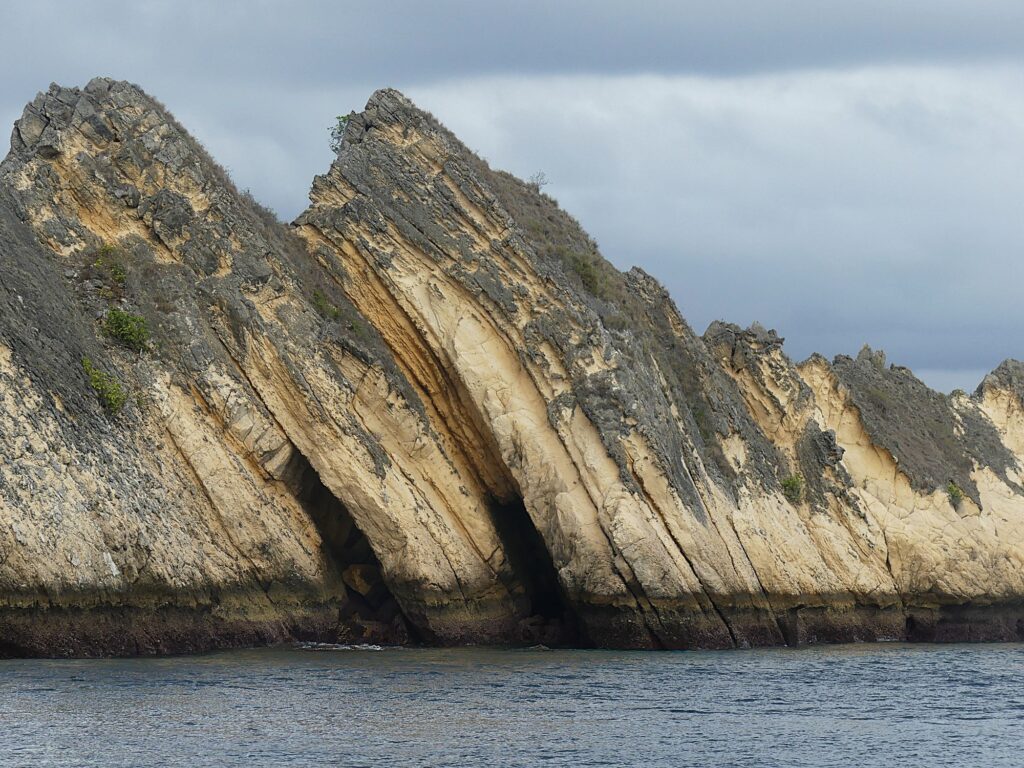
Back on the boat, we soon traverse to Padar’s far side, passing swirling eddies and whirlpools as Komodo’s famous rip currents churn the water. The coastline, rugged cliffs and steep pinnacles, is splendid. This is a place where you can imagine the Sirens of Greek mythology luring sailors to their doom on the savage rocks!
PINK BEACH
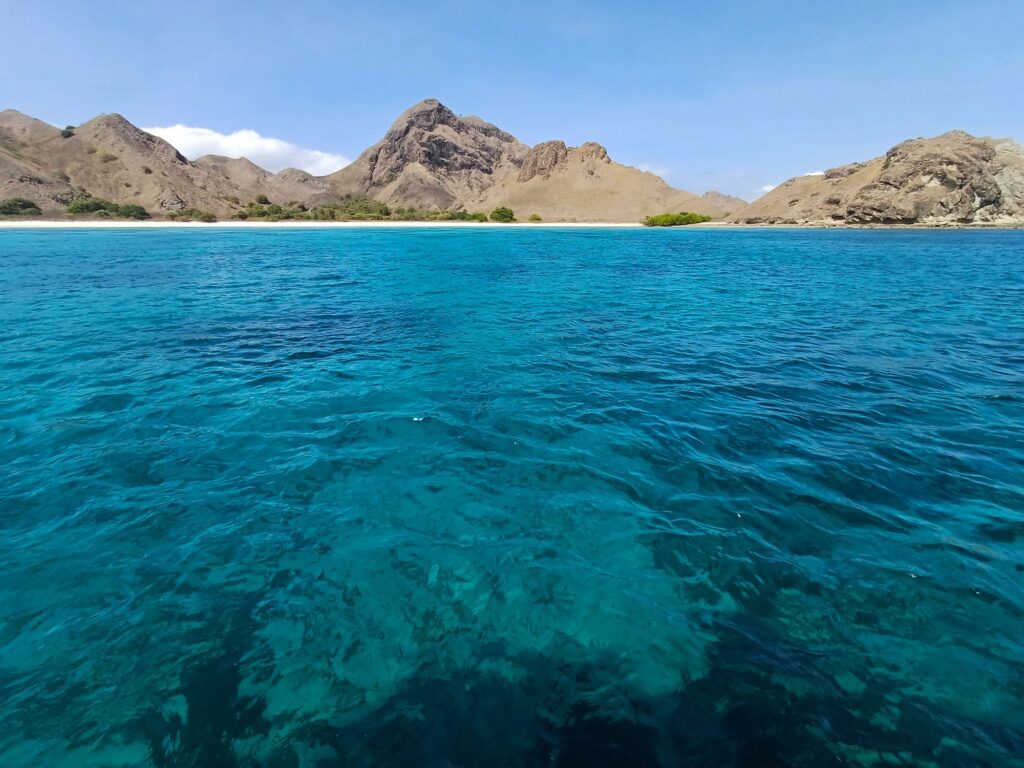
Pink Beach, on Padar Island, certainly delivers. As we motor towards this epic sandy crescent, I glance down into the crystalline water, with spectacular corals clearly visible beneath the glassy surface. The beach itself is uncrowded, with only a handful of tourists visible – in stark contrast to the viewpoint. As we wade to the shore, it’s clear where the beach’s name comes from. The sand is truly pink…a result of fiery red corals found just offshore.
CRYSTAL WATERS
Enticed by the crystal waters and sheltered nature of the bay (not much risk from currents here), I waste no time. This time, I discover a snorkeller’s paradise. Hundreds of healthy coral bommies rise from the sand, in shallow water. I spend at least 45 minutes casually swimming from one bommie to another, wondering at clownfish guarding their anemone homes, checking out swirls of triggerfish and butterfly fish. I get lost in these moments.
ICHA
I finally pull myself away from the coral, and swim back to the beach and its only ‘shop’ – a hut where you can buy soft drinks and a coffee. Jagna and the boys are there, and we’re joined by a surprise guest. The guest is a Timor deer called Icha, who seems to have somehow domesticated himself, and invited himself to the restaurant as well. According to the shop owners, he likes coffee, and soon demonstrates this by lapping up a cup from Jagna’s hands. It’s another unlooked-for treat that nature has served up.
Jagna is impatient for the ‘main event’, to have a close encounter of the dragon kind! She herds everyone back onto the dinghy, and we’re whisked back out to the boat. Our destination: Komodo Island!
THE LAND TIME FORGOT (SORT OF!)
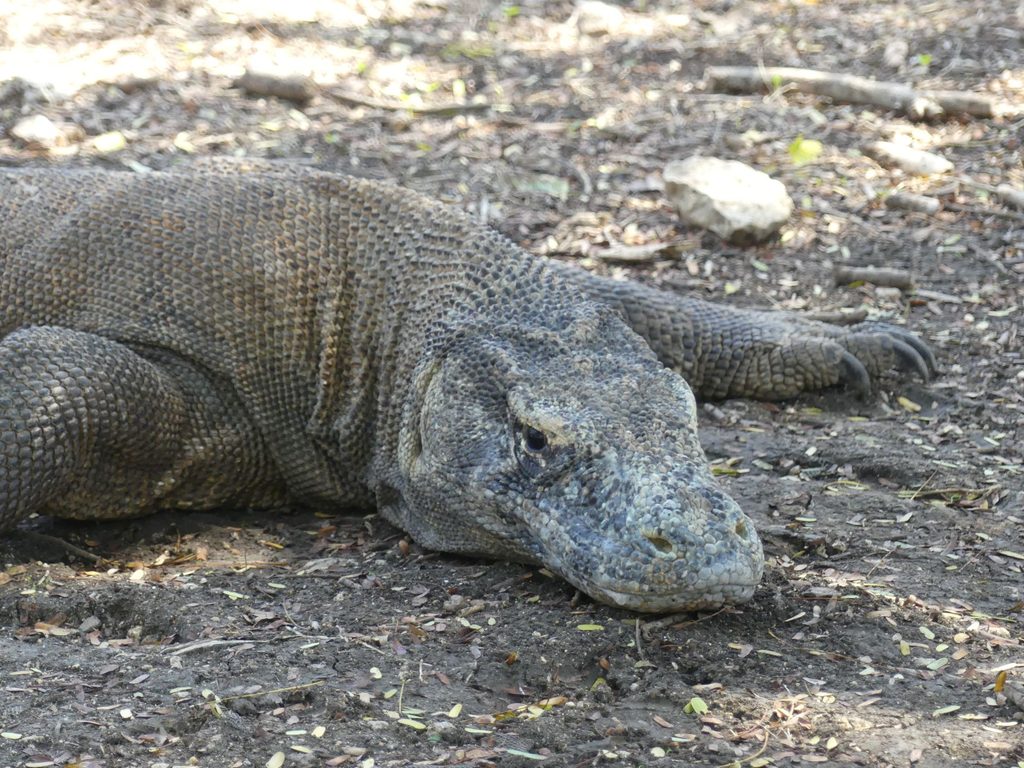
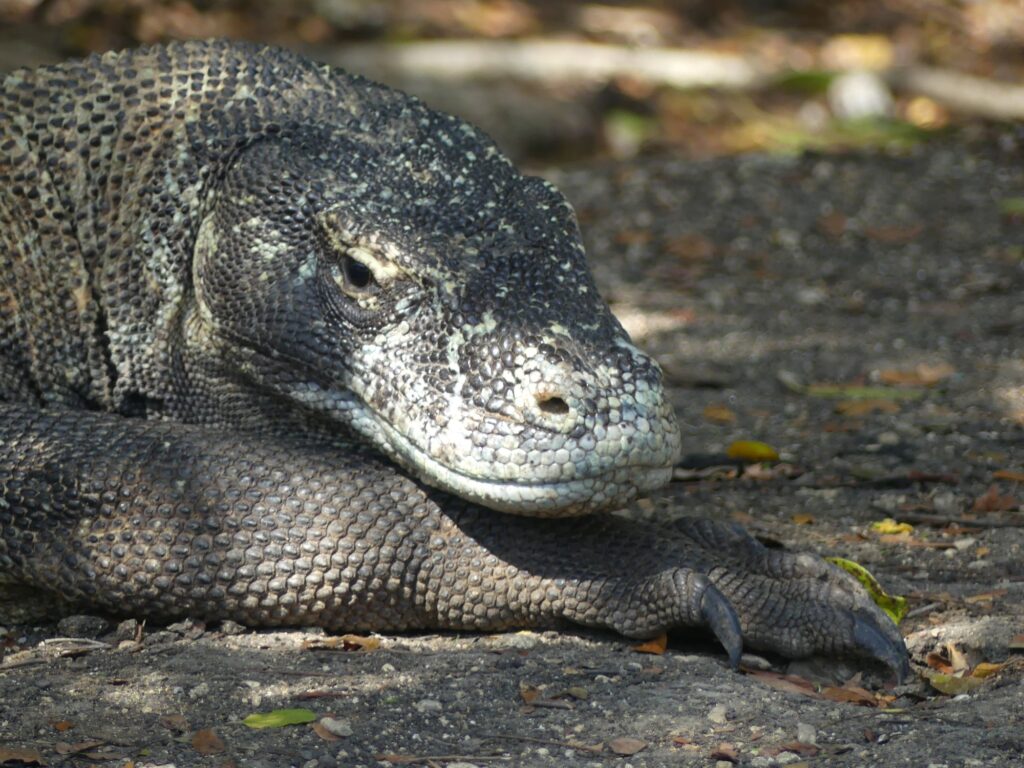
An hour or so later, we disembark at the pier next to the ranger station on Komodo itself. Around the ranger station, sheltered by the trees, there’s a little scruffy group of stalls and shops. Depressingly, there’s quite a bit of village trash as well. That said, straight away there are dragons. A truly monstrous male, lying casually under a tree right next to the beach, is attracting a lot of attention, and there are plenty of others of slightly more modest proportions as well.
We head out on a hike with a local guide, who shows us a dragon nest and some more dragons along the way, plus some of their food, with a brief glimpse of a nervous wild boar. He makes up for his rather limited scientific knowledge of the dragons with interesting anecdotes about living alongside these creatures throughout his life. One of his friends when he was a boy sadly became the victim of a dragon.
RISKY BUSINESS
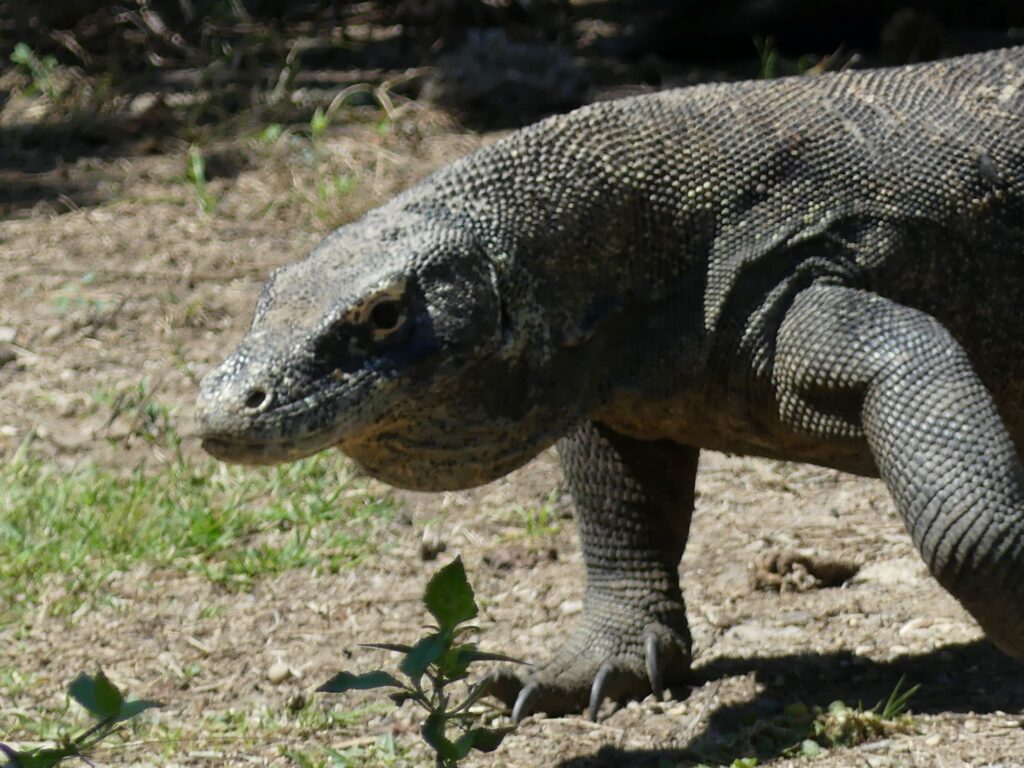
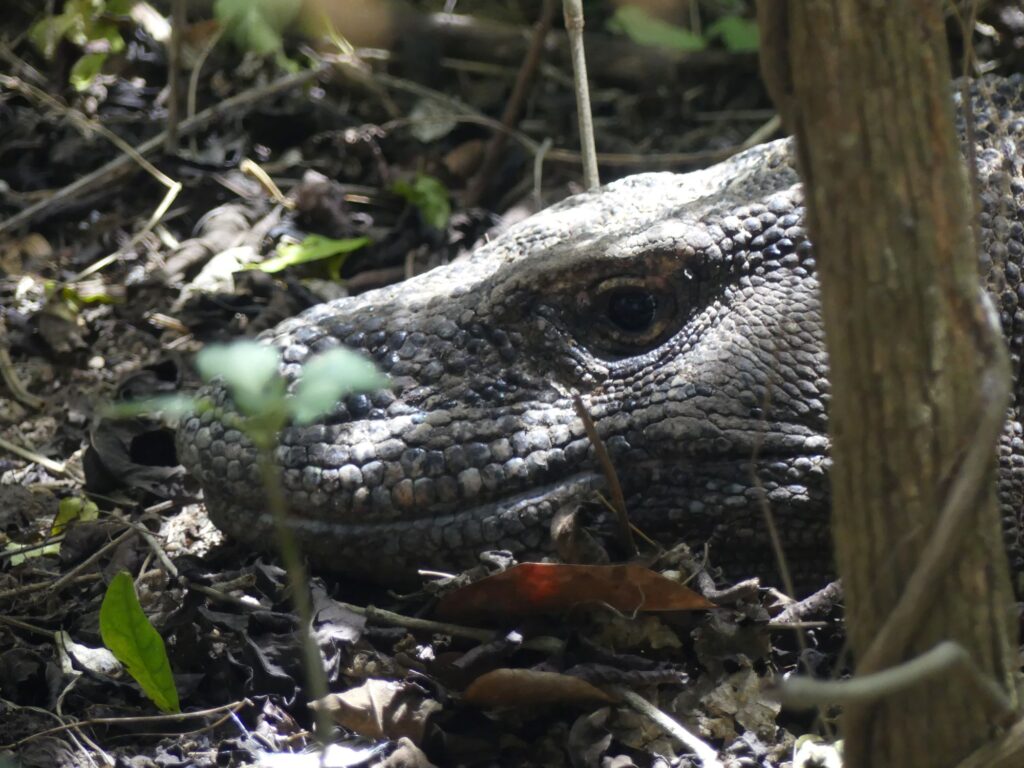
Komodo dragons are perfectly camouflaged, sometimes even difficult to make out from a few meters away. The rangers are all armed with sticks to fend off the dragons, but it’s easy to see how these ‘sit-and-wait’ style predators can make a living. Just sit still and wait for prey to come close enough, whether it is a deer, boar, or buffalo – then one lightning-fast, venomous bite, and they slowly wait for their victim to weaken and bleed out. Dinner is then served.
What I’m slightly shocked at is how blasé some tourists get around the dragons. Like most reptiles, the dragons mostly just lie around and do as little as possible. But when a dragon wants to strike, it can move at 20km/h. Many of the selfie-desperate tourists seem totally ignorant of this, getting WAY too close to the dragons. It seems to be an accident waiting to happen. These great lizards demand respect, and I won’t be surprised if I read about a tourist being fatally attacked in the papers.
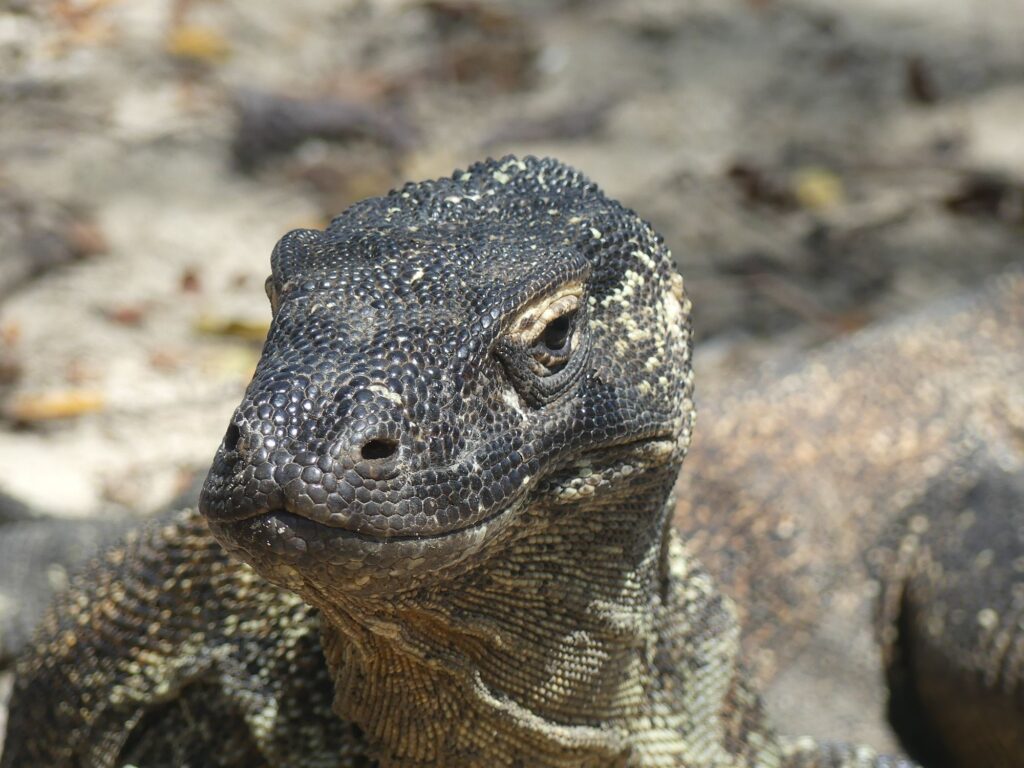
Nevertheless, it’s a great experience, and all on our boat leave dragon happy. Then it’s on to our final stop, to seek out Komodo’s other famous giants, not above the waves, but below them! Manta Rays.
GIANTS OF THE DEEP
We end our journey at Mawan, one of my favourite dive sites in Komodo, and one of Komodo’s ‘Manta Hotspots’ (along with Manta Point). Mawan is a coral flat between two islands.
We’re in the water straight away, and luck is with us. There are the Manta’s, below us, at least 3, soaring majestically through the deep, maybe 8 or 10 metres below us. Jagna and I hang in the water, having to kick fairly hard to maintain position in the strong current, as two huge individuals perform a submarine ballet, holding position at a marine ‘cleaning station’, sometimes elegantly circling back on themselves, getting a marine pedicure and a body scrub from the wrasse that service these masters of the deep. The wrasse get lunch; the Manta’s get the equivalent of a pleasurable visit to a wellness spa. A snorkeller dives down to have a closer look at the manta’s, giving an indication of their huge size, with the wingspan of the Manta’s perhaps twice the length of the puny human. It’s submarine magic.
We emerge from the water elated. The perfect end to a 2-day backpacking cruise that felt much longer, in all the best of ways. A journey rich with experiences and great company. It’s an adventure to be remembered.
A NOTE OF CAUTION
I would recommend a Komodo cruise to anyone who wishes to visit this part of Indonesia. Having said this, I must expand on the aspect of safety. As I highlighted in the article, safety protocols are hardly a priority on many of the boats operating here.
Shortly after my visit, a boat similar to the one I had travelled on lost power and subsequently capsized in the night, with the loss of the lives of the family onboard and many of the crew. Many of the boats operating in Komodo are adapted fishing vessels that have been ‘built up’ with sundecks being added to the superstructure. With shallow keels, this makes the boats inherently ‘top-heavy’ and unstable. Komodo’s strong currents make the waters challenging to navigate even in good weather – let alone when sea conditions deteriorate. When you book with a company, make sure to ask about safety standards. Do they have life vests? Do they have a life raft in good condition? Is the captain experienced?
Likewise, when snorkelling, make sure you are clear about where/when you will be picked up. Take note of which is your dinghy/boat, so you can easily recognise it from the water, and try to stick together in a group. These are all strategies that will help make the experience safer and more enjoyable.
OUR PLANET, OUR RESPONSIBILITY
Komodo National Park is a wonder of nature, both above and below the waves. As I’ve touched on in this article, Komodo is under pressure from numerous fronts – plastic pollution, climate change, overdevelopment, and potentially, overtourism. Tourism is a double-edged sword. It provides jobs to thousands of local people in Flores and incentivises people to protect Komodo’s dragons, landscape and marine wonders. But if done badly, it can also be hugely destructive. Both of these forces are at play in Komodo. Through their choices, visitors to Komodo can make a positive or negative contribution to the state of the National Park – and whether future generations will be able to appreciate its beauty and unique biodiversity. To learn more about this and what you can do, check out my earlier article on community-based conservation in Komodo:
A DIVING WONDERLAND
Komodo is one of the world’s finest places for scuba diving – both in terms of marine life and the sheer variety of amazing dive sites. To learn more, check my dive guide to Komodo National Park:
I highly recommend Dive Komodo, both for the quality of their dive masters and their commitment to marine conservation:
HOW TO MAKE YOUR CRUISE HAPPEN
To be honest, there are a myriad different budget cruise companies offering 1-3 day trips in the national park in Labuan Bajo. Keep in mind the safety and environmental points I mentioned and ask questions – and get recommendations from other travellers recently returned from trips. I would recommend a multi-day trip in the national park to make the most of your experience – don’t just rush from one point to another. There are also several companies running 4 to 5 day trips from Labuan Bajo to Lombok via the Komodo National Park and Sumbawa. This is another interesting option.
HOW TO AID THE CONSERVATION OF KOMODO NATIONAL PARK
Below is a list of conservation organisations active in the Komodo region:
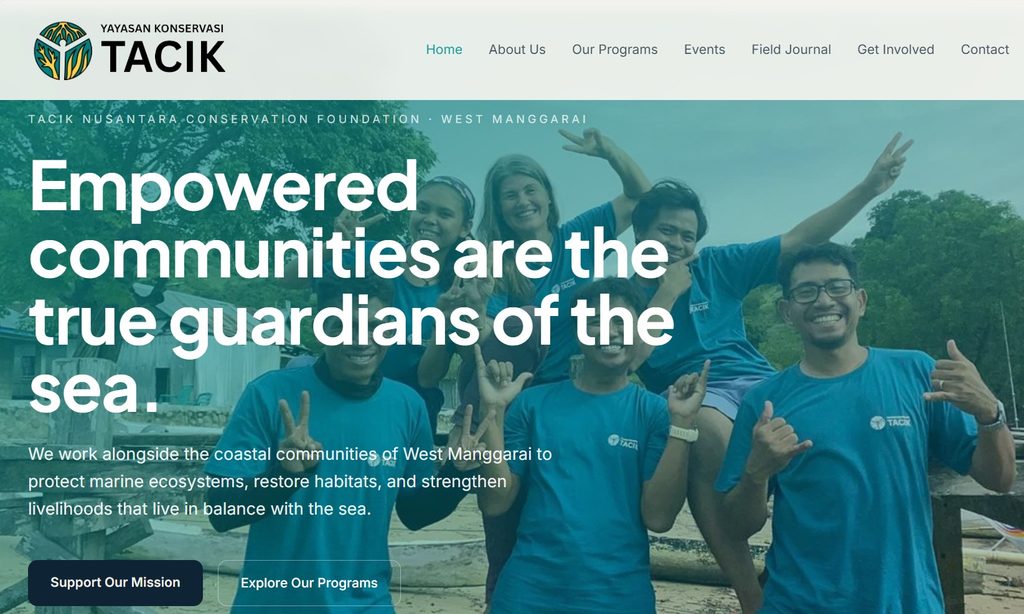
Konservasi Tacik is undertaking a fantastic community conservation and reef restoration project in Lenteng Bay, just south of Labuan Bajo. They are often looking for volenteers willing to help with the project. You can contact them through Sofia at Dive Komodo, or the links below:
You can donate to Konservasi Tacik through GoFundMe at:
Fundraiser by Sofia Tedestam : Empower Indonesian Communities to Protect Marine Resources
And find out more at:
https://www.konservasitacik.org
Or on facebook at:
https://www.facebook.com/konservasitacik
or on instagram at:
https://www.instagram.com/konservasitacik
Trash Hero organises beach clean-ups in Flores and more widely across the region. Help rid the marine environment of plastic waste, and meet some awesome people (locals and travellers) at the same time!
Really interesting article and trip with the useful tips for the inexperienced traveller. Great work Steve.
Thanks Ike, much appreciated sir!