A marine conservation odyssey
Story by Steve Frankham. Photos and videos by Steve Frankham, unless credited. Cover manta ray photo courtesy of Jordy Locke
A legendary land
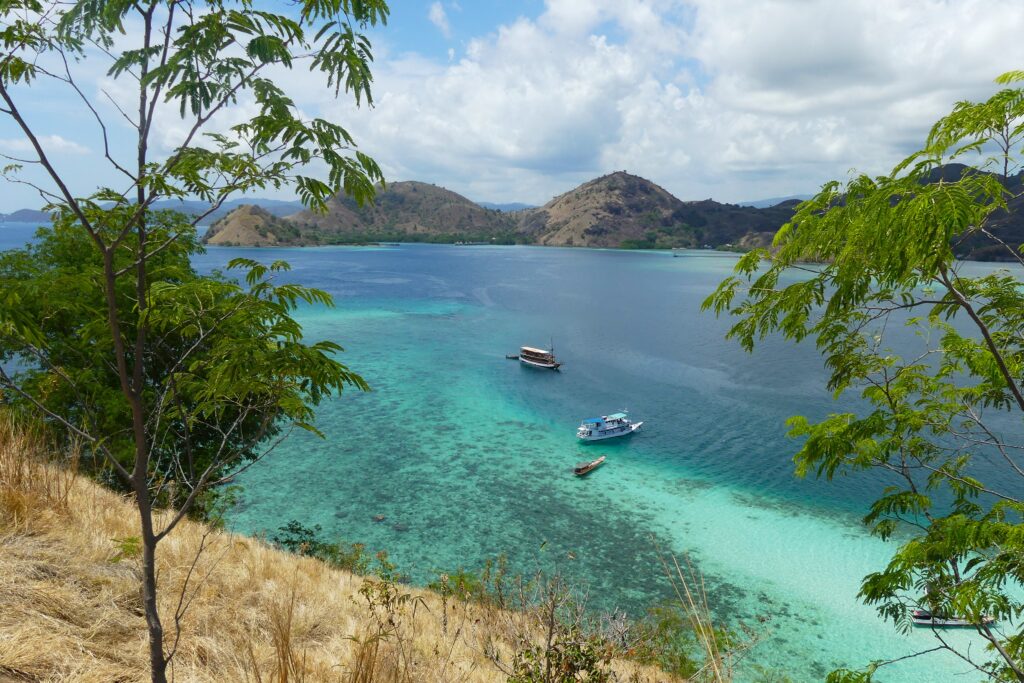
Our boat is rolling gently in azure waters, and anticipation is high. My fellow divers and I penguin walk in our fins to the stern of the boat, weighed down by our air tanks. We might not be elegant on the surface, but soon we will be flying through an incomparable underwater realm like eagles soaring on the thermals. Gravity will be of little consequence. I take a last look around at the surface world, and the low, uninhabited, burnt yellow island that fills my vision about 100m away. This is a place of legend, Indonesia’s Komodo National Park, home to Komodo dragons, the largest lizards on Earth. The wildlife and wilderness of the islands are spectacular, but, for me, what lies beneath the waves is even more breathtaking.
Pandora?
On the word from our dive master, Fabi, we launch ourselves into the water. The Komodo archipelago is part of a long chain of islands that separates the Indian and Pacific Oceans, and the currents here can be savage. To avoid getting separated and swept out into open water, we descend quickly, and we sink into a world of dreams.
Orange band surgeonfish, parrot fish, angelfish, and moorish idols at Marwan.
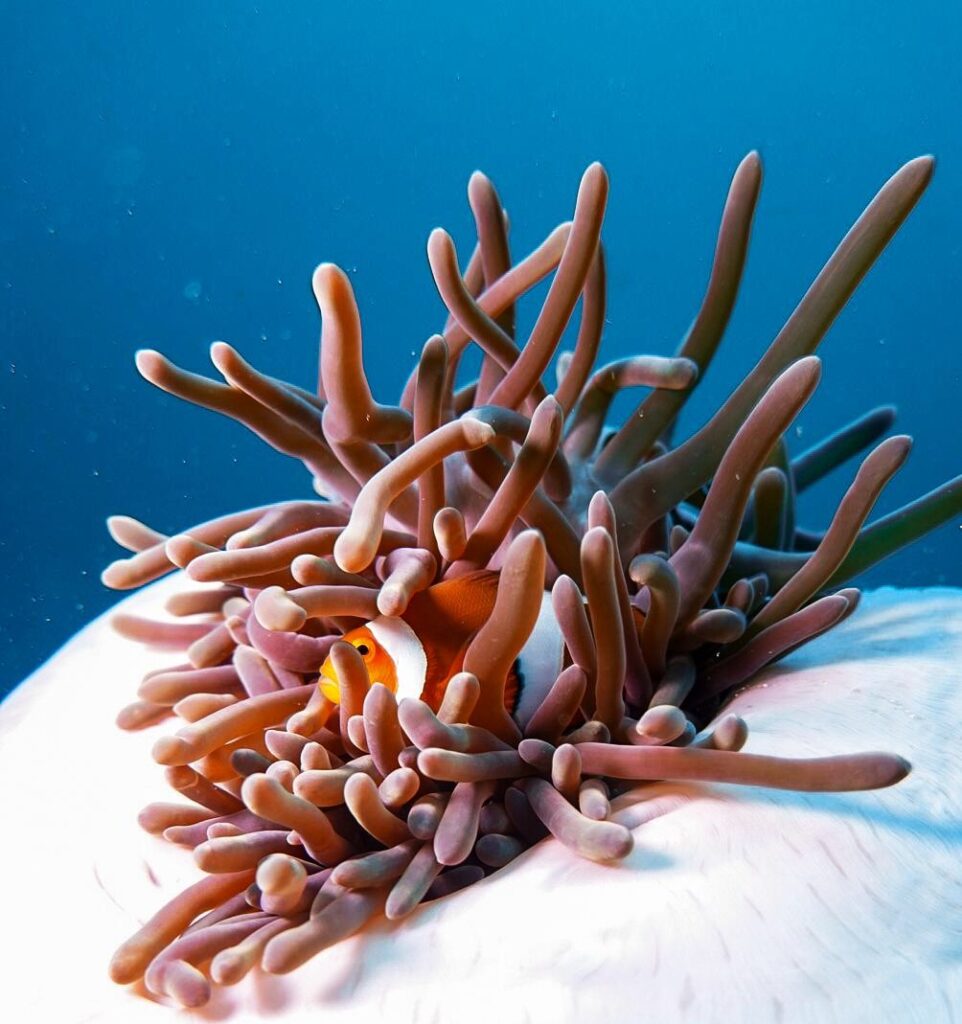
This dive site is known as Mawan. Below, a seafloor densely covered with corals of every form stretches into the distance. Cabbage, brain, and staghorn corals carpet the seafloor. Wherever I look, there is life in a bewildering variety of colours and forms. If you want to experience the ‘real’ world of Pandora, from Jim Cameron’s Avatar films, this is the place to come. Immediately, I am surrounded by a school of striking orange band surgeonfish, jet black but for a luminous orange stripe above their pectoral fins. They’re not shy, and they swirl around me, unconcerned by these strange bubble-blowing intruders. Mingling with them are elegant Moorish idols, luminous yellow butterfly fish, and rainbow-hued angelfish.
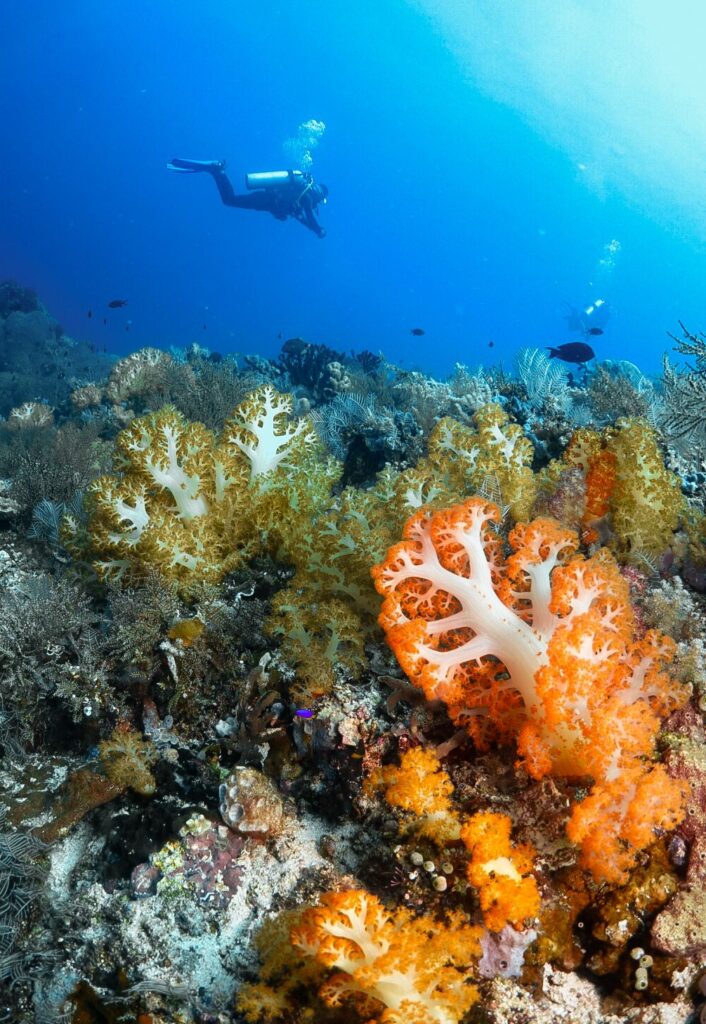
Komodo’s shallow seas are crowded with healthy soft and hard corals (Photograph courtesy of Jordy Locke)
Reef life
Drifting with the current and floating a couple of meters off the bottom, we begin our odyssey. In a world where climate change and pollution are wreaking havoc on marine ecosystems, Komodo is an anomaly – cool waters flowing from the deep ocean have so far protected these reefs from the worst effects of coral bleaching. I have dived in many spectacular spots around the world, and I often find myself horrified by the damage we have done to our marine environment, but Komodo still has thriving reefs.
As we drift along, I find myself enchanted by the day-to-day interactions that keep this thriving marine city ticking over. A parrot fish, holding itself vertically at a ’cleaning’ station as a wrasse busily munches off parasites, the inter-species cooperation as a bluefin trevally befriends a grouper to hunt as a team on the reef.
Giants in the deep
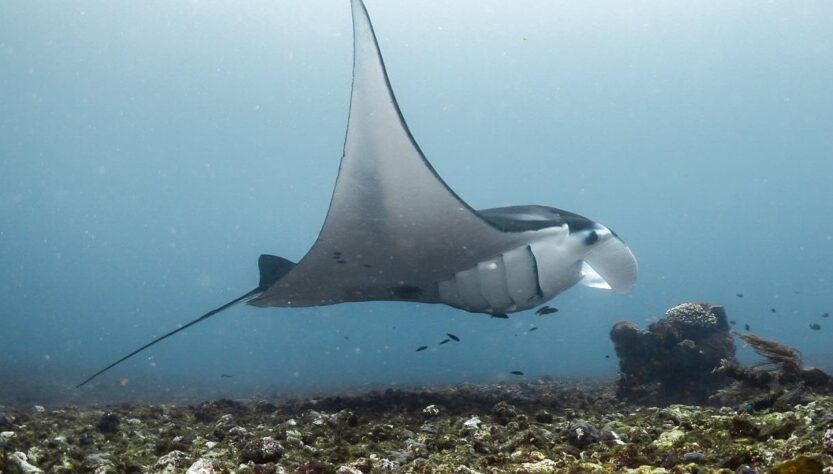
You can become hypnotised by these interactions, but it’s important to look up and into the blue. Materialising out of the sapphire waters like a living spaceship comes the vast, elegant form of a huge reef manta ray (Manta Alfredo), gliding past us, its wings pulsating like an eagle’s. Overawed for a moment, I almost forget to breathe. Komodo is one of the best places in the world to dive with reef mantas, giants whose wings can span up to five meters.
Komodo is one best places in the world to dive with reef manta rays.
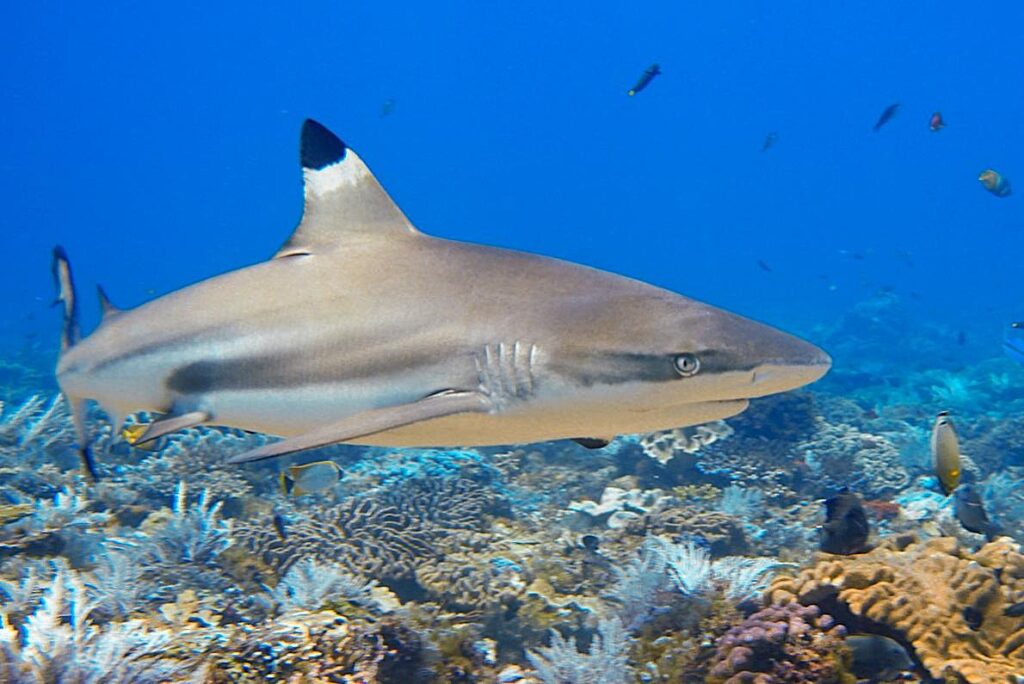
I pass a green sea turtle, contentedly feeding on the seafloor. The unmistakable form of a blacktip reef shark is next out of the blue, coolly stalking the seafloor, on the hunt for injured fish. There’s the sight of a Napoleon Wrasse, a rarity, often fished to local extinction on reefs around the world. The presence of these reef giants is important. It tells me that the reef is in good health; good enough to support a range of apex predators. Over the next couple of weeks, I will explore a range of incredible dive sites, the likes of which I have never experienced.
Stories from the deep
I emerge from the ocean ecstatic, pulling myself up the ladder of the dive boat, heady from my experience. My diving companions are similarly impressed. We shiver a little in the breeze, warming up in the tropical sun, the boat slowly motoring towards Rinca Island and the monsters that live there, exchanging stories of the creatures we have encountered.
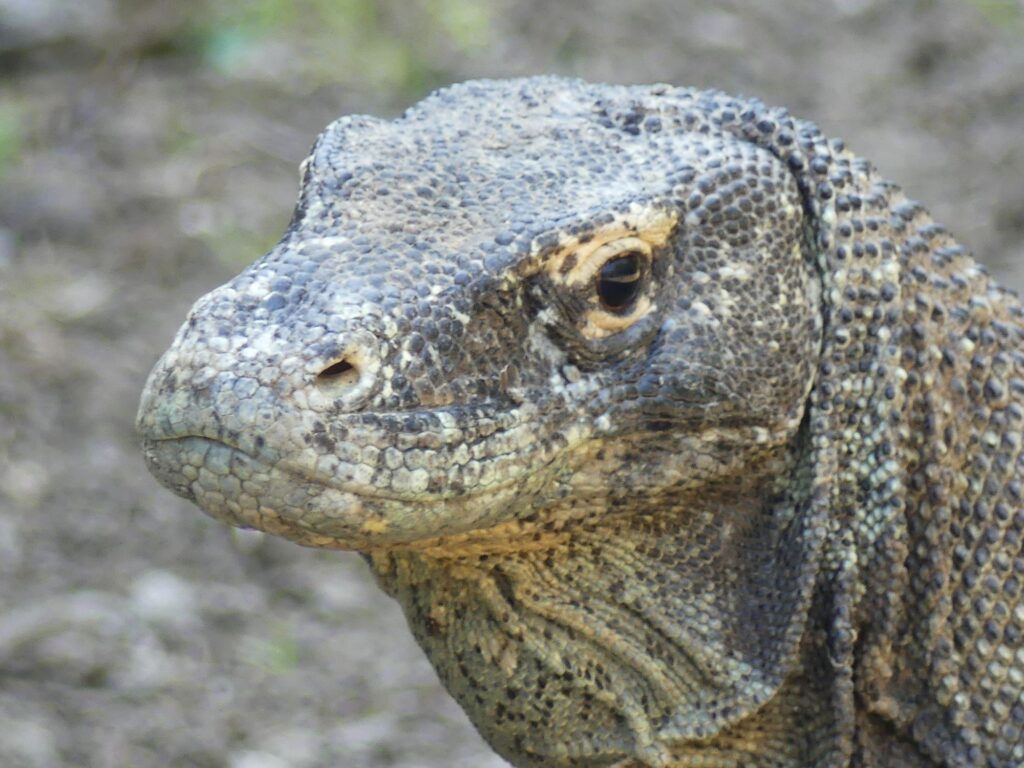
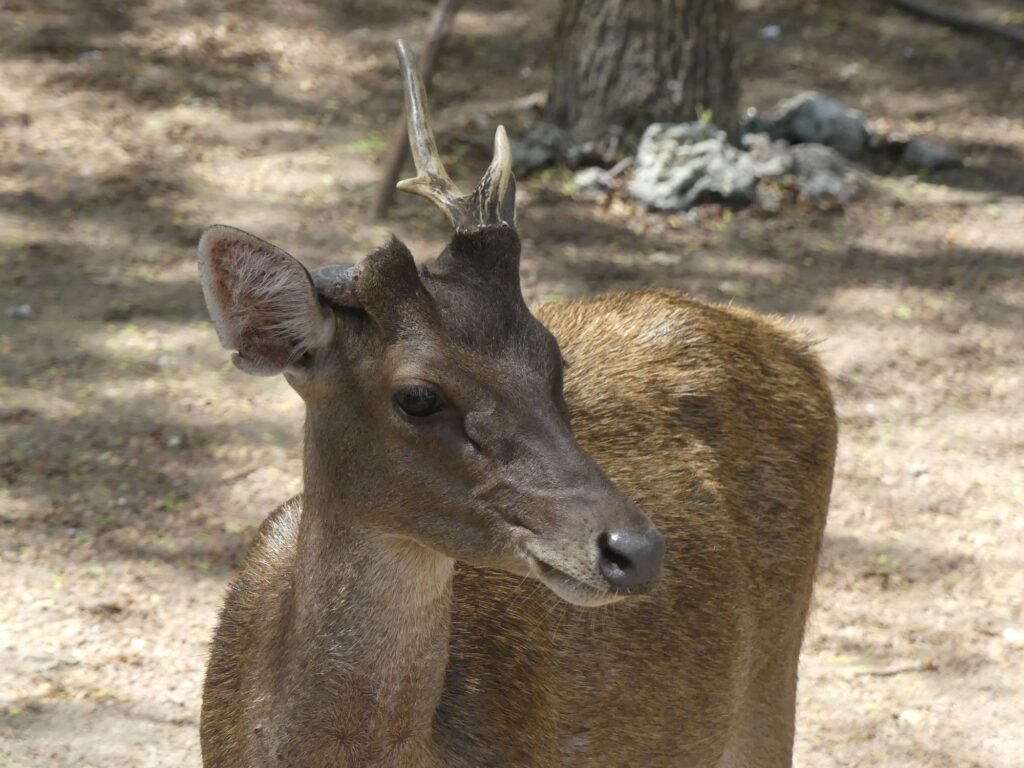
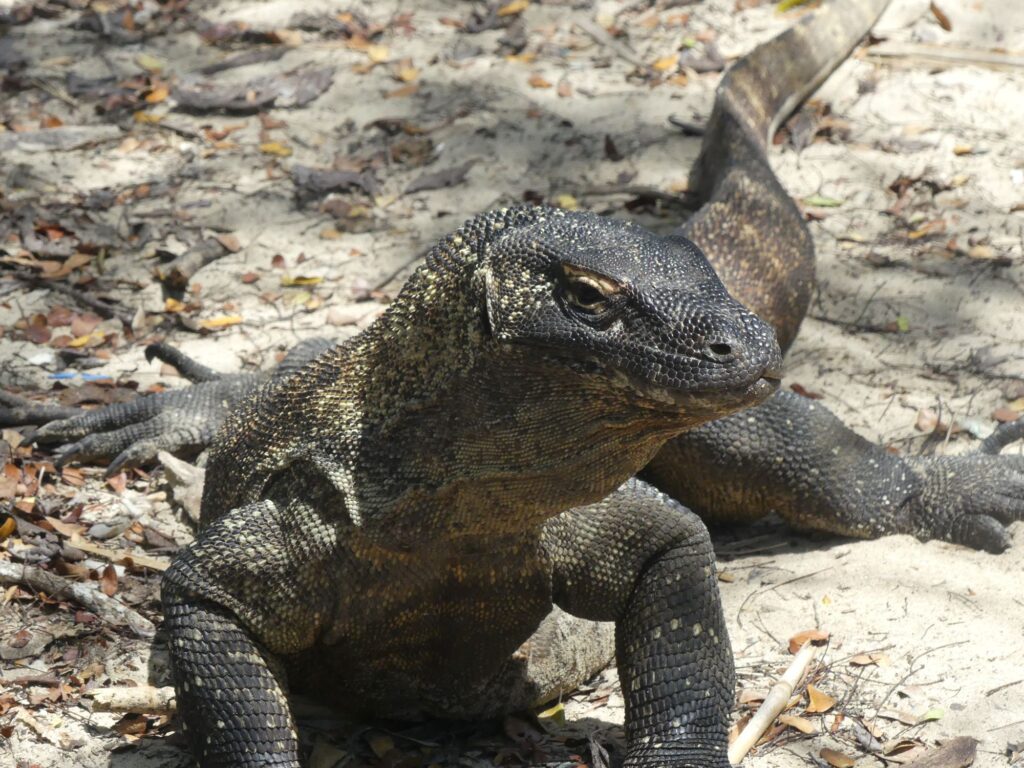
Komodo is truly a paradise, but like all the gems of our natural world, it is also endangered by the actions of humans. The Komodo National Park officially protects an archipelago of islands in the Strait between the large islands of Sumbawa and Flores. Rinca and Komodo are the biggest islands, the strongholds of the Komodo dragon population. The dragons are the alpha predators on the islands, huge lizards of the monitor family that grow up to three meters in length. These lizards sport a venomous bite that allows them to hunt even the biggest of the island’s animals, free-ranging water buffalo.
Trouble in paradise
One would imagine that the tourism potential of islands, attracting both high-end tourists and backpackers, would be incentive enough to protect this gem, but threats to Komodo’s integrity are multiple. I had come to Komodo to discover what these threats are and to explore the possible solutions. To help me with this, I had a group of wonderful experts to assist me, led by Sofia Tedestam, manager at the environmentally focused (and aptly named) scuba outfit Dive Komodo.
Community conservation
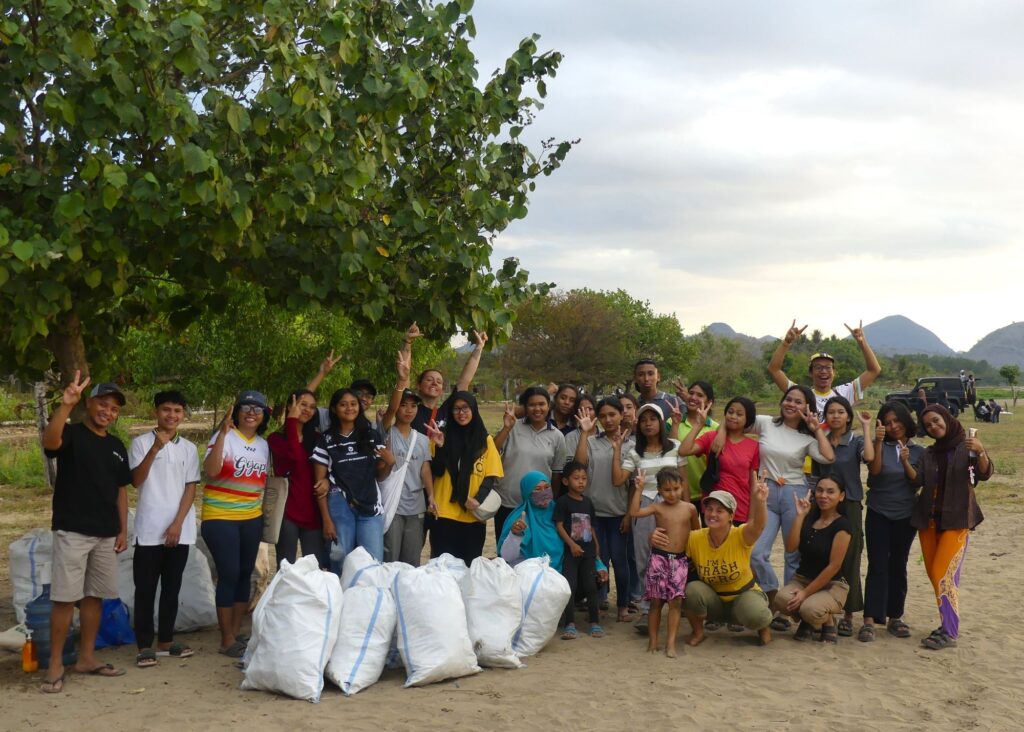
Sofia is a straight-talking, no-bullshit kind of lady who radiates both pragmatism and a passion to protect the wonders of this marine environment. A few days after my arrival, I joined her on a beach a little south of Labuan Bajo. Here, members of the Trash Hero group, together with local conservationist Abizar Ghiffary (known to his friends as Abi), organise a local beach clean-up. The turnout is impressive – men, women and children from across the community, collecting 76kg of waste from one beach in around an hour.
Abi and the crew, leading the way with community conservation!
This is part of a weekly effort, and a truly impressive demonstration of community conservation in action. It’s also a sign of growing awareness in the community, in a country that is responsible for one of the highest levels of plastic pollution on the planet. Every week at the Dive Komodo office, there is a weekly ‘film night’ where a marine conservation-focused documentary is shown to all who wish to attend, free of charge. Sofia works closely with schools to instil an awareness and love for the sea and its denizens, inspiring and educating the next generation.
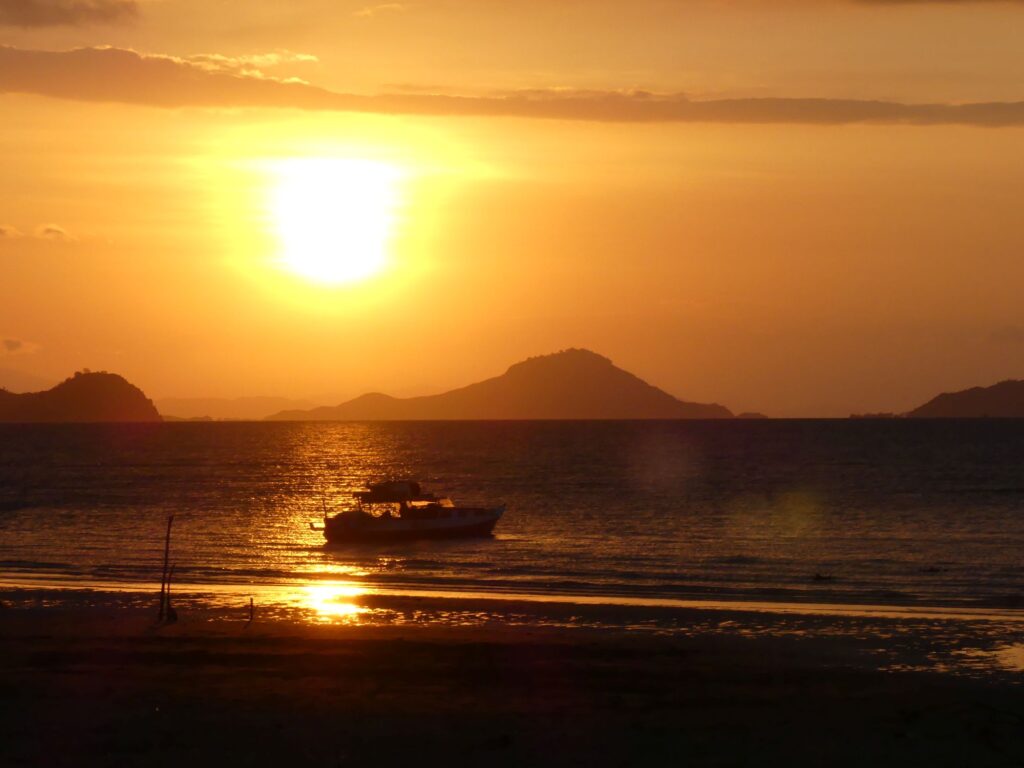
Sofia is also working with local communities on an important coral reef restoration project, but more on this later!
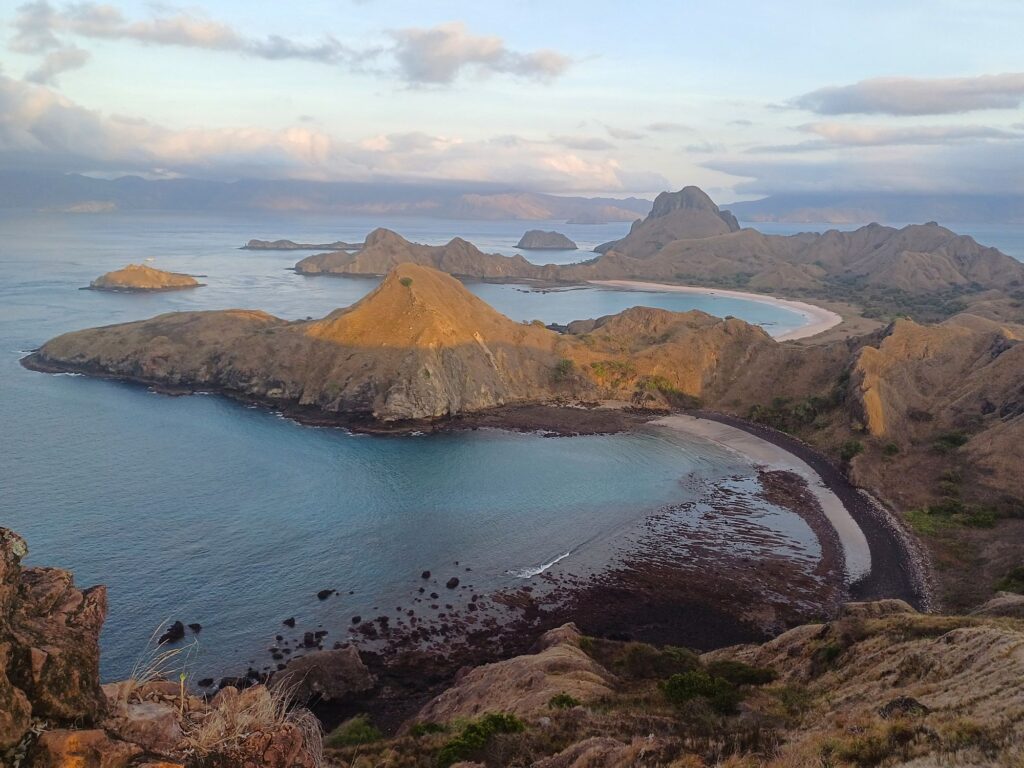
A question of development, Padar Island.
Padar problems
When talking to people on the street, I also learn of many of the issues that are playing on the minds of the local community. One is a controversial luxury tourism venture on Padar Island, the third largest island in the group. Padar is, in theory, strictly protected by the National Park. Hotels and tourism developments have so far been kept outside the park’s boundaries, but now a luxury resort is being constructed in one of the park’s most famous beauty spots. This project has been backed by famous Indonesian businessman Tomy Winata. Winata is often referred to as one of the Indonesian ‘nine-dragons’, a kind of business mafia with strong connections to the Indonesian government.
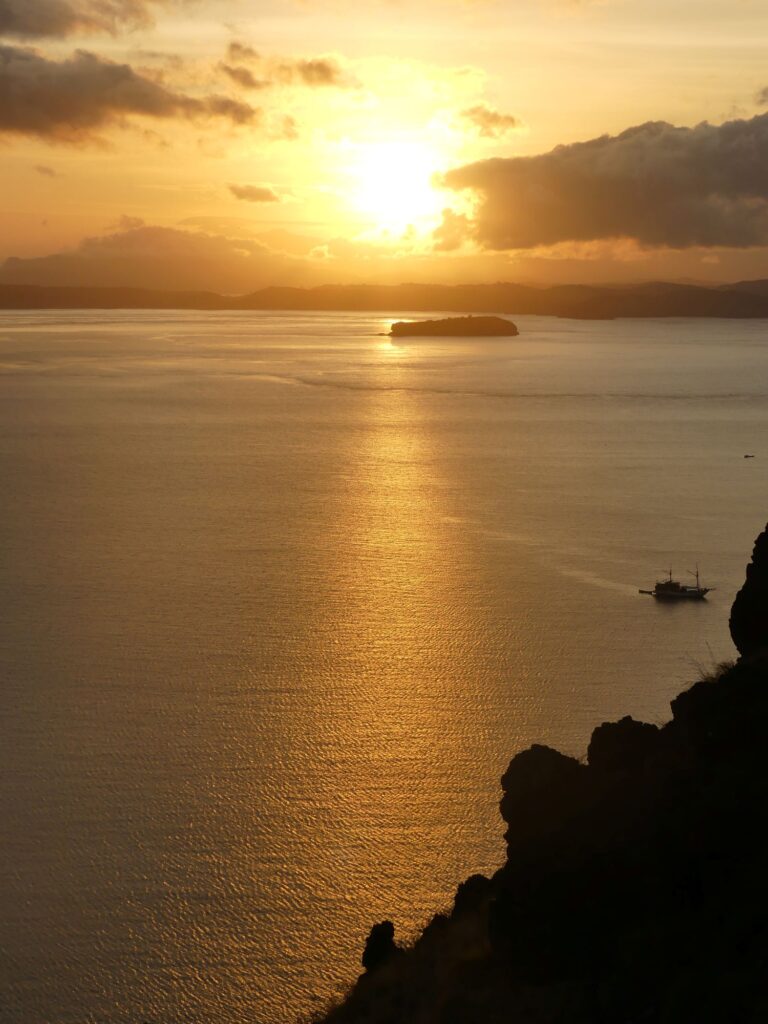
One rule for the rich, another for the poor
The development claims to be eco-friendly, but according to multiple sources (some of which prefer to remain anonymous), no proper planning to minimise the impact of the project has been undertaken. There is huge concern, both for the considerable environmental impact on the land and marine environment around Padar, and due to the double standards being applied. Locals cannot develop projects inside the park, but it seems that if you have tens of millions of dollars and connections in government, the rules don’t apply. Komodo National Park is a UNESCO World Heritage Site, globally recognised for its incredible biodiversity. UNESCO has officially declared its concern about the development. This opposition is currently being ignored by the developers and the Indonesian government.
The money trail
Another key concern is the lack of enforcement infrastructure within the park. Every visitor to Komodo pays a fee of around 300,000 Indonesian Rupees (about US$ 20 at the time of writing) per day for entry to the park, however, this money is not reinvested in the protection of the park, with more than 80% of the visitor fees going to the central government in Jakarta.
Where’s the protection?
Illegal fishing within the protected area is a major concern. This includes highly destructive dynamite fishing that is still occasionally reported. Boats sometimes come from the neighbouring island of Sumbawa. During my two weeks in Komodo, I never once saw a patrol boat in the park. As in other places I have visited, the main ‘police’ of the national park are concerned dive operators and locals. Although fish diversity is high, illegal fishing is obviously an ongoing problem.
A mixed picture
The conservation outlook for several ‘keystone’ species is mixed. I was lucky enough to talk with Andrew Harvey, founder and head of the marine conservation organisation MantaWatch. He has worked within the park for many years. He noted that the numbers of resident manta rays and turtles appear to be increasing, while shark and dolphin populations seem to be on a downward trajectory.
Worrying signs
Sofia also notes that large schools of pelagic fish are relatively uncommon, and that larger individuals in these species are rare. This trend suggests that few of these species survive to maturity. Although the fishing of sharks and mantas is officially forbidden, they are sometimes seen in fish markets on Flores. I suspect that many migratory creatures that venture beyond the park’s protected boundaries are vulnerable to overfishing and bycatch (the accidental killing of unwanted species). Sharks, Dolphins, and Tuna might well be the victims of this. Sofia also pointed out that there is no continuous/consistent monitoring of fish populations in the park. This is sorely needed.
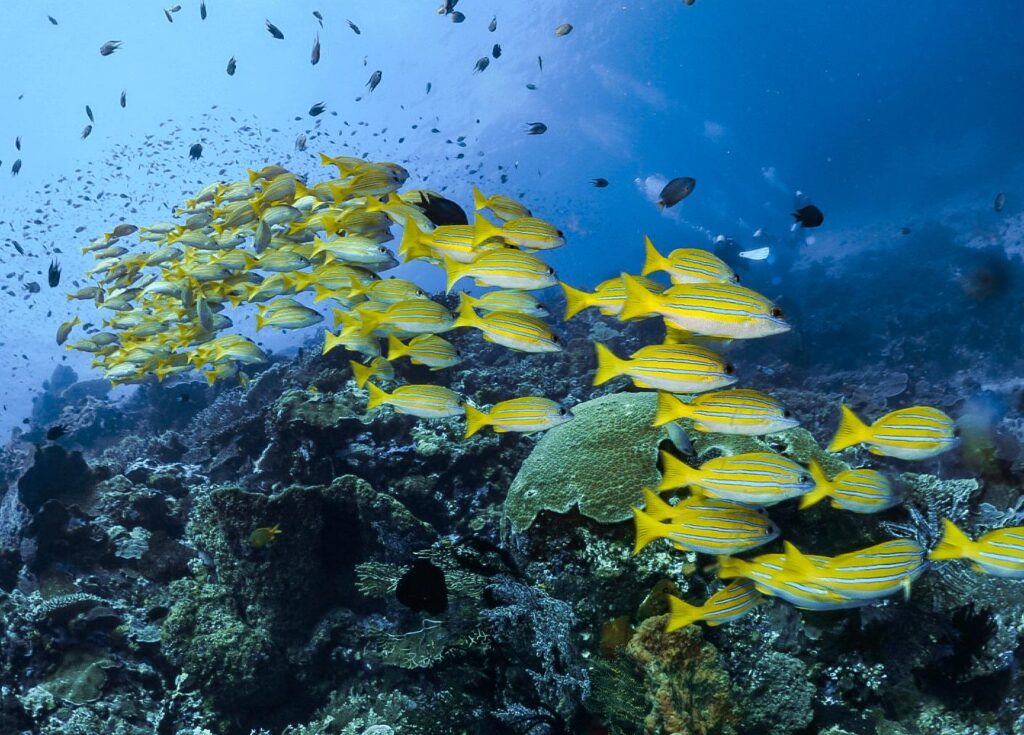
From what I could see, investment in the protection of the parks’ terrestrial ecosystem was also lacking, although at least there were rangers on Padar, Rinca, and Komodo.
Flores
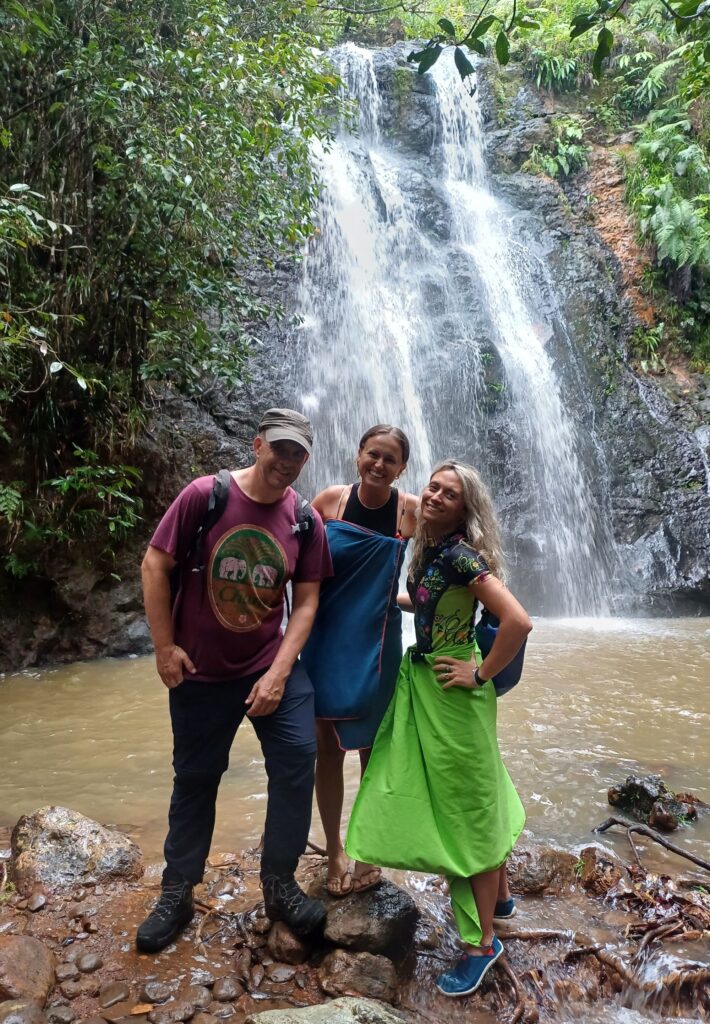
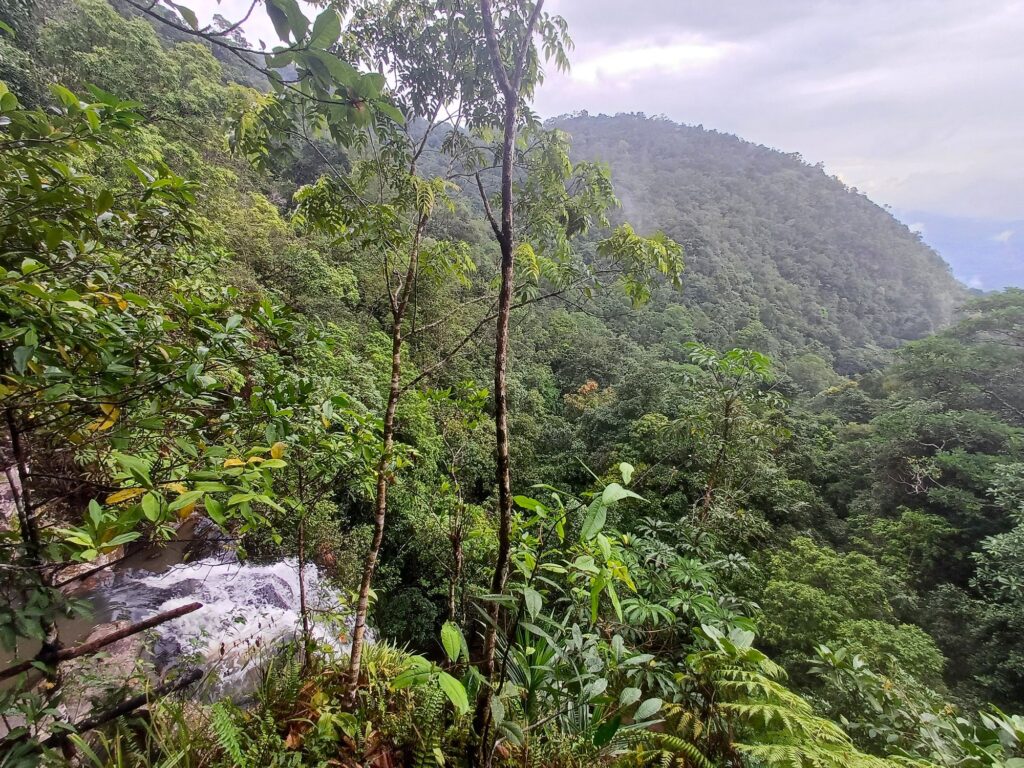
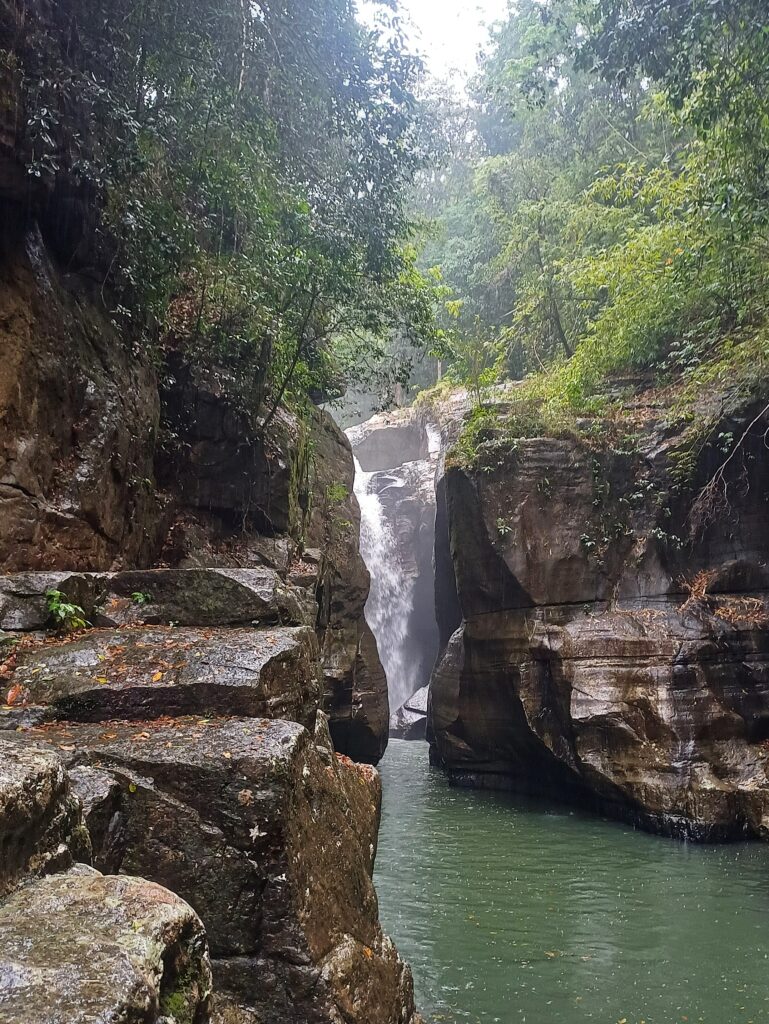
Outside of the Komodo National Park, I was interested in the wider conservation of Flores Island. Flores is a large, diverse island, stretching more than 350km from East to West. Despite the lowlands of Flores and Komodo having a relatively arid environment, the mountainous interior is dominated by lush highland forest, intersected by fast-flowing rivers and roaring cascades. Although much of the environment that I saw on an excursion into the island’s green interior seemed intact, it’s apparent that dangers lurk here as well. Flores is a highly volcanically active island, situated on the ‘ring of fire’. The island is home to several volcanoes, including Gunung Inerie and Kilimutu, which is famed for its hauntingly coloured crater lakes.
The geothermal island
The Indonesian government has identified Flores for its potential to generate geothermal power, a clean energy source that I would normally champion. Having said this, I spoke to many angry villagers who questioned the way that this development was being conducted, with concerns over land acquisition and misinformation from the companies regarding the environmental impact of the geothermal projects. A key worry was the potential disruption and contamination of water resources to villages. I didn’t visit these sites, so I can’t offer a personal perspective, but I find all of these reports concerning. I have lived in the Amazon Basin, and I’m well aware of the lies, misinformation, and coercion that energy companies often employ when dealing with indigenous communities. What oil and mining companies are doing in the Amazon is nothing less than genocide and ecocide combined. I hope the same does not occur on Flores.
Good intentions
I met with several organisations working in nature conservation. One of these was the international NGO the World Wide Fund for Nature (WWF), which has an office in Labuan Bajo. They seemed focused on protecting the fisheries in the Komodo National Park and developing some community-based eco-tourism in a mangrove area called Rangko, north of Labuan Bajo. The area is also famous for its beautiful limestone cave system. The WWF had only just returned to Komodo after being previously closed down by the government. I had a good conversation with the staff there, a young and enthusiastic bunch, but I wasn’t exactly sure of how much practical/positive difference they are making in the protected area. Time will tell – but their good intentions are undeniable.
Ica
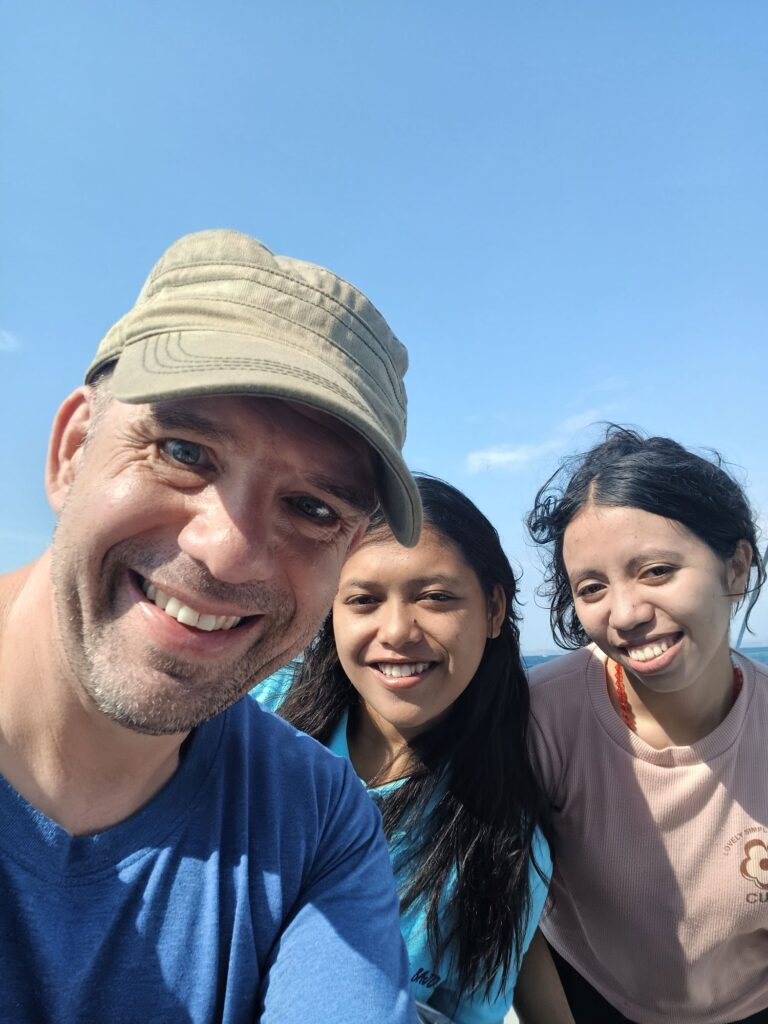
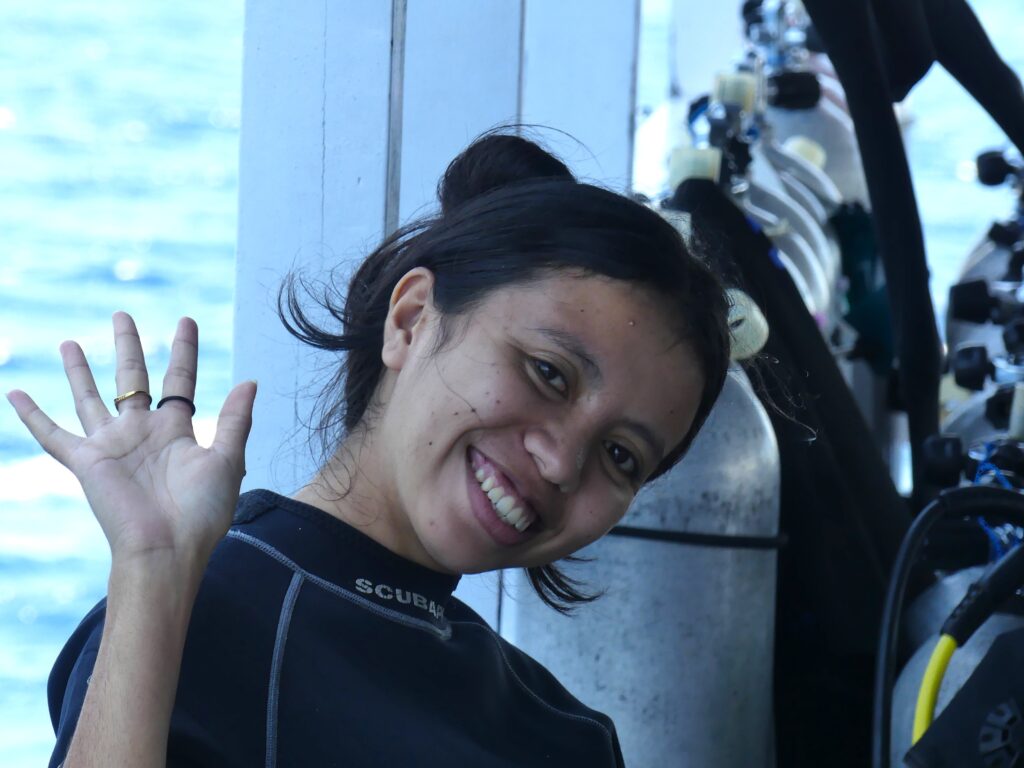
Another interesting lady I talked to was Ica Marta, a lawyer and environmental activist. Ica was certainly a dynamic lady, with plenty of strong opinions. She’s been deeply involved with conservation in the area for many years. Ica currently runs an organisation called the IWP (Indonesian Waste Platform), amongst other projects. She comes over as fiery and straightforward. Ica also expressed her deep frustration to me regarding the lack of progress in protecting the park, and also the absence of cooperation from some local tourism operators and communities in tackling these issues.
Uniquely, she was the only person that I spoke to who considered Tomy Winata’s resort project on Padar to be a good idea (provided it is implemented in an environmentally friendly way). She pointed out that he had invested large amounts of money into conservation projects on Padar and elsewhere, and believed his intentions were good. She also saw private investment in the national parks in general as a good thing.
Greenwashing?
Having witnessed this type of development in many parts of the world, I’m highly cynical of this multi-millionaire’s intentions. The ‘greenwashing’ that often precedes such projects is often just a distraction before the real motivation, the desire to make a quick buck and to disempower local communities, asserts itself. Perhaps Ica is correct, but I fear it’s just a play to make the rich richer, and this project will have no practical benefit for the people of Flores.
How to develop?
Ica is a strong proponent of development in Flores, and I can understand why. Opportunities for the local communities are few outside of Labuan Bajo. Many islanders are forced to migrate to other parts of Indonesia to find work, leaving their families behind. Ica was particularly passionate about the fate of the girls on the island, many of whom are forced into prostitution as the only way to survive. There is no doubt about Ica’s passion here, and the harsh truth that faces many young people on Flores.
Development and opportunities must come in some form. My feeling is that development can come in two ways: One is development that assists local people in need and has a minimal and/or positive effect on the environment. The other route is development that has little consideration for either the environment or local people, one that just funnels money into the hands of the super-rich. This second form is rampant across the globe.
A bit of inspiration
It was my feeling that perhaps Ica places too much trust in these powerful companies and interests. If they come to Flores, I hope I am mistaken. Despite having many differing opinions from Ica, I found our conversation inspiring and insightful. She is a woman who has much to offer the people of the island.
Konservasi Tacik
All this leads me back to the conservation project Sofia is leading, along with conservationist Abi (from Sulawesi) and many members of the local community. The project is called Konservasi Tacik. Tacik is the local word for ‘the sea’. Towards the end of my stay in Flores, I headed down to the coast with Abi, friendly, open and conversational as always. Just like Sofia, he is a fountain of conservation information. We were driving south along a newly constructed highway, towards the Golomori area.
With Sofia in Lenteng, Golomori.
Golomori is an area of bays, mangroves, and beaches that face towards Rinca Island in Komodo National Park. The narrow Molo Strait that divides Golomori from Rinca Island is notorious for its fearsome currents. The area is home to a couple of traditional fishing communities, and it’s to one of these we are headed, Lenteng. The plan for the day was to conduct a reef survey in the bay in front of the village. This involved observing what condition the reef is in, mapping the reef, and recording fish species. From this, a plan can be developed to restore the damaged reefs, which will benefit both marine life and the local community.
Benefits for all
In the long term, it might be possible to pioneer community-based eco-tourism here as well. Part of the problem with tourism in Flores (and Indonesia more widely) is that high-intensity tourism is focused in small areas (on Flores, it’s Labuan Bajo), while other areas are entirely ignored. The benefits that eco-tourism brings need to be spread more widely.
After a spectacular drive with views of the Strait and hilly Rinca island behind, we pass through a couple of villages where goats seem to outnumber people. We bump down a potholed dirt track towards our survey beach. It’s a classic Indonesian fishing village. The locals watch curiously, and chickens, cats and goats are woken from their slumber by our truck bouncing through the village, laden with tanks and dive gear.
Directly in front of the village is a dilapidated pier which threads through an impressive mangrove forest. This itself is a good sign. Mangroves are essential marine ecosystems, providing a safe home for many reef fish as they grow…a reef nursery. To the right is our beach. Sofia soon arrives on the beach, along with three friendly Divemaster trainees, Marta, Akash and Juliana. I watch as a sea eagle swoops along the shore, to what I assume might be its nest, in the forest on the bay’s northern shoulder.
Mapping the reef
Over the next few hours, we conduct the survey, snorkelling and diving. On the left of the bay, the corals seem to be in good condition with plenty of cabbage corals, branching corals and sponges, gently sloping towards the deep. There are areas of dead corals as well, especially further out. The reef still supports a good range of marine life, including many species such as butterfly fish. Butterfly fish are indicators of a healthy reef, since they only feed on coral polyps. We even spot a Hawksbill turtle. The reef is far from pristine, but, as Sofia points out later, the healthy corals will help reestablish corals on metal frames further out.
Overall, it’s an excellent spot to begin the project, with the blessing of the community. A healthy reef in front of the village, well managed, means a coastline better protected from storms, better catches for fishermen, and the potential of future tourism revenue…
Hope
We have dinner with a welcoming local family in the village. As the sun begins its descent into the sea, we drive back to Labuan Bajo, and I reflect on the fate of Flores and Komodo. A spectacular marine world exists here, and the local people depend on the sea for their livelihoods, either through fishing or tourism. It is small-scale, practical conservation projects like Tacik that will provide hope here for a positive future.
Towards the wild and rugged Northern Islands of Komodo.
The Big Blue
Before I leave Flores behind, I once again head out into the big blue, to the magical world beneath the waves in the national park. This time, we head for the ‘Northern Islands’. This group of Islets and seamounts have a very different underwater character than much of the central section of the archipelago. The dive sites of Castle Rock and Crystal Rock are classic examples of this, feeling much more ‘pelagic’ and exposed to the open ocean. Again, currents can be wild, and in some places the only way to hold position is to use a reef hook, and then just let the dizzying maritime show come to you.
Arrows from the deep
The northern dive sites of Komodo have a much more pelagic, open ocean feel. They are altogether more ‘sharky’ places!
The second dive of the day is Crystal Rock. Once again, my fabulous dive master is local guide Fabi. We launch ourselves into the blue and sink through clouds of yellowback fusiliers that swirl around us. We descend towards the reef drop off, which slides down until all hint of the seafloor is swallowed by the cobalt emptiness.
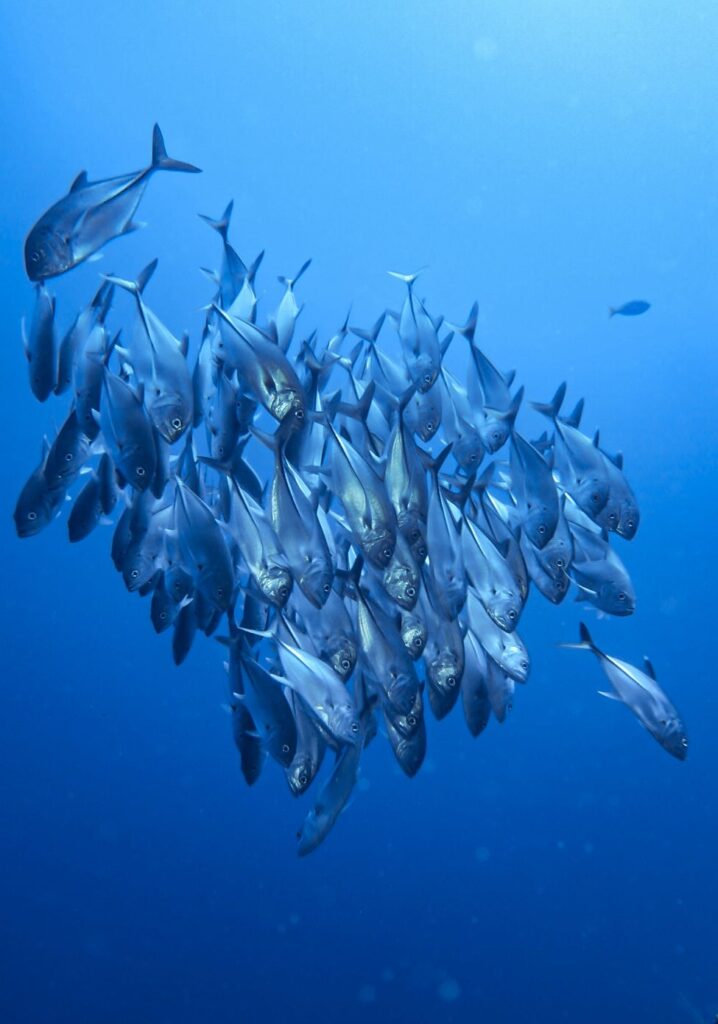
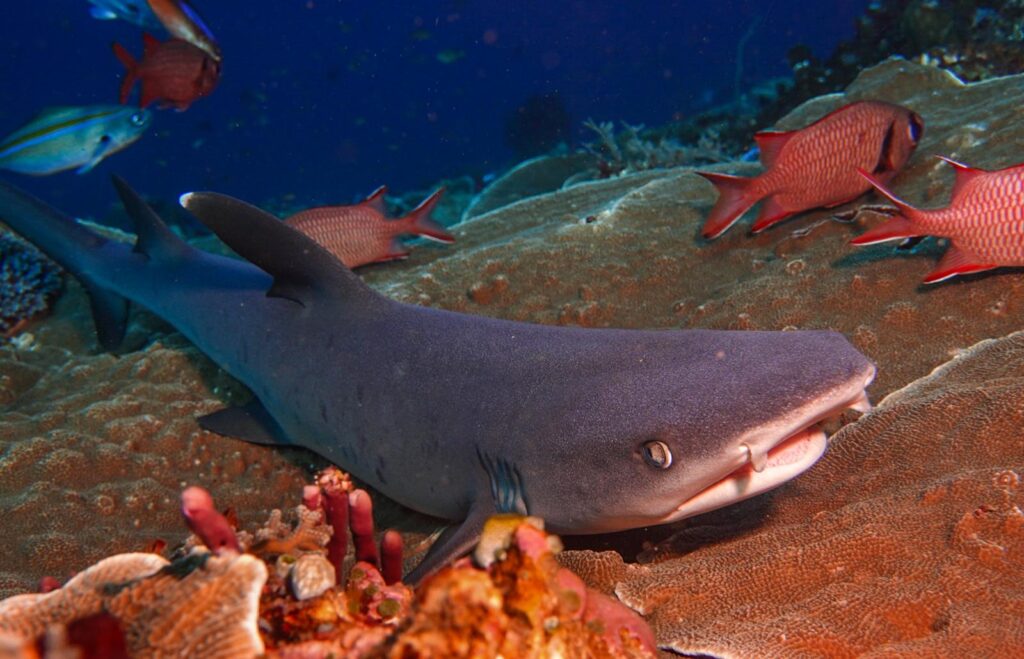
Immediately, out of the gloom, the giant forms of dogtooth tuna, a species I’ve never seen before, glide beneath me, like muscular 1.5 metre arrows in the ocean, cruising over the reef with an effortless purpose and grace. Most people just think of tuna as something to put in a sandwich, but they are so much more than that, awesome to behold. Many species of Tuna have experienced catastrophic declines and are on the verge of extinction – because of our actions. Perhaps if more people could see them as they are, masters of the ocean, they would think twice before ordering that tuna sandwich. Just beneath them, I almost fail to note a white-tip reef shark, patrolling the reef edge.
A world of colour at Crystal Rock!
A world beyond imagination
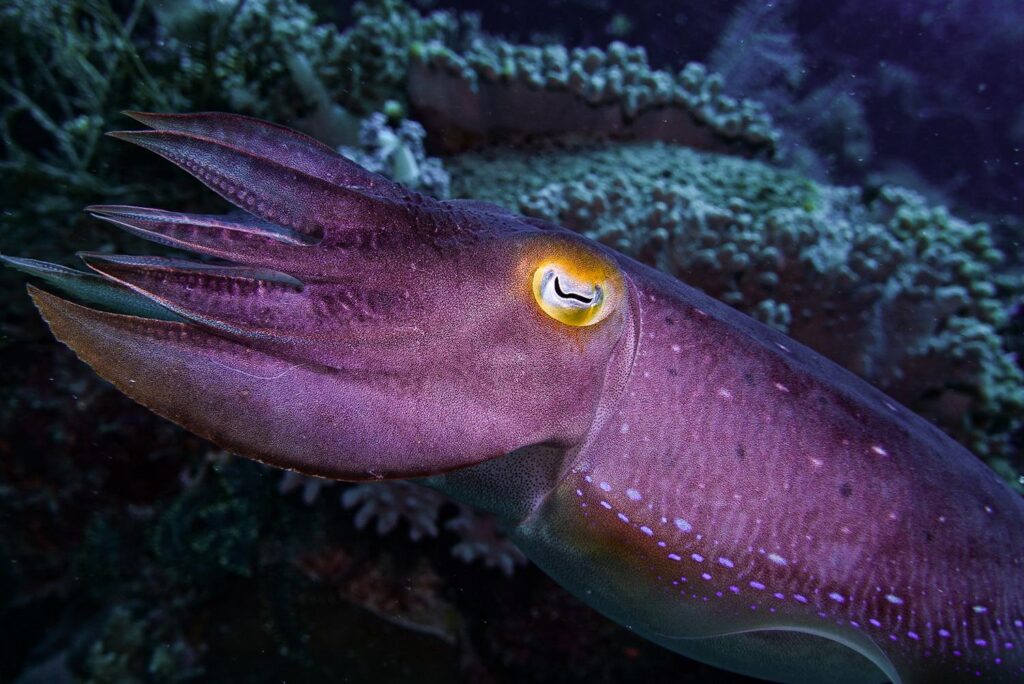
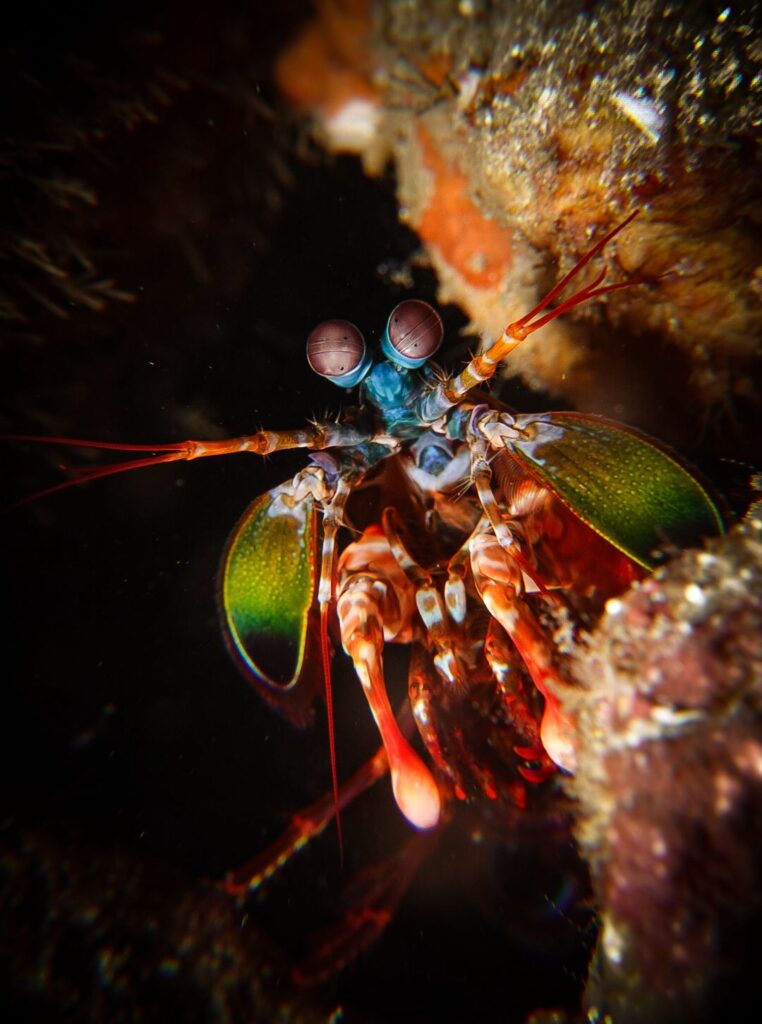
Again, we fly over the surface of the reef, thick with rainbow corals, sponges and sea fans. There are gems everywhere I turn. There are designs that nature has crafted that even an imaginative sci-fi movie maker would be at pains to match. There’s the wonderful strangeness of map pufferfish, the powerful pulsing form of a titan trigger fish, foraging amongst the corals, a white tip reef shark resting on the sea bed. This is 360° world! Many times I find myself in a relatively ‘fish free’ zone, only to look up and find myself surrounded by a cloud of gaudy reef denizens. Am I watching them, or are they watching me? What do they think of us, these strange visitors from another world?
Our impact, our hope!
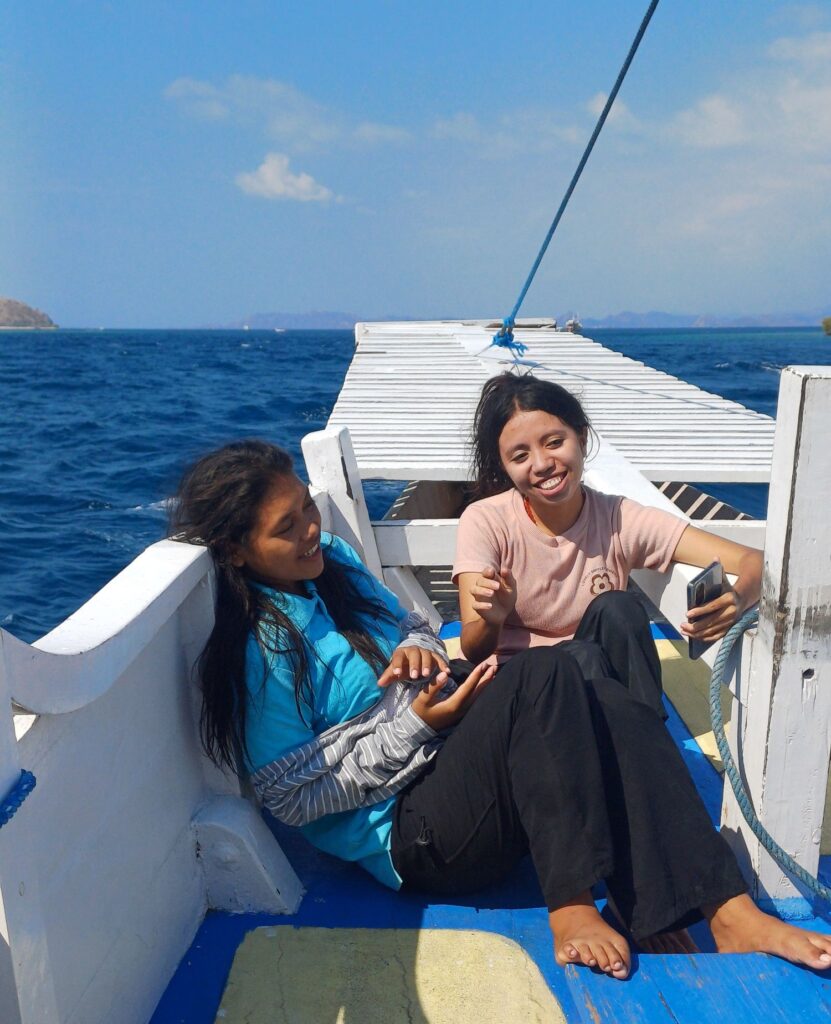
The underwater world of Komodo is like a dream; its beauty is magical, but fragile and threatened. Unless we act to protect Komodo and places like it, we will be the last generation to experience such things. In Flores, projects like Tacik and Trash Hero are making good progress, but they need help and resources. Community conservation must win over short-term greed and exploitation. There is hope, but we all must play our part to protect and restore the marine world.
Titan triggerfish can be protective parents. It’s best to be cautious if babies are around!
You can directly help by contributing to marine conservation in Komodo or by joining a beach clean-up at your local beach – we live on an interconnected ocean planet. Every day, we impact the world with what we do or don’t do. What we buy or don’t buy in the supermarket. These decisions can impact species and habitats on the far side of the globe. Let’s remember this and play our part to save our astounding planet. Our home.
Acknowledgements:
This article would not have been possible without the help of many wonderful, passionate divers and conservationists on Flores. Firstly, I would like to thank Sofia Tedestam, of Dive Komodo and Konservasi Tacik. Her energy, knowledge, and trust were invaluable. A round of applause to all the staff at Dive Komodo, with a special call out to wonderful dive guide Fabi, and Jordy Locke. Jordy supplied many of the spectacular underwater images in this article. Your knowledge and patience are greatly appreciated. I must also credit the staff of WWF Komodo, Ica Marta, and Andrew Harvey, Founder of MantaWatch, for your insights and knowledge. Thank you to Abizar Ghiffary (Abi) of Tacik, for your great local knowledge and positive vibes. Lastly, I’d like to thank the kind, generous people of Labuan Bajo and Flores! I hope to return soon.
Want to make a difference?
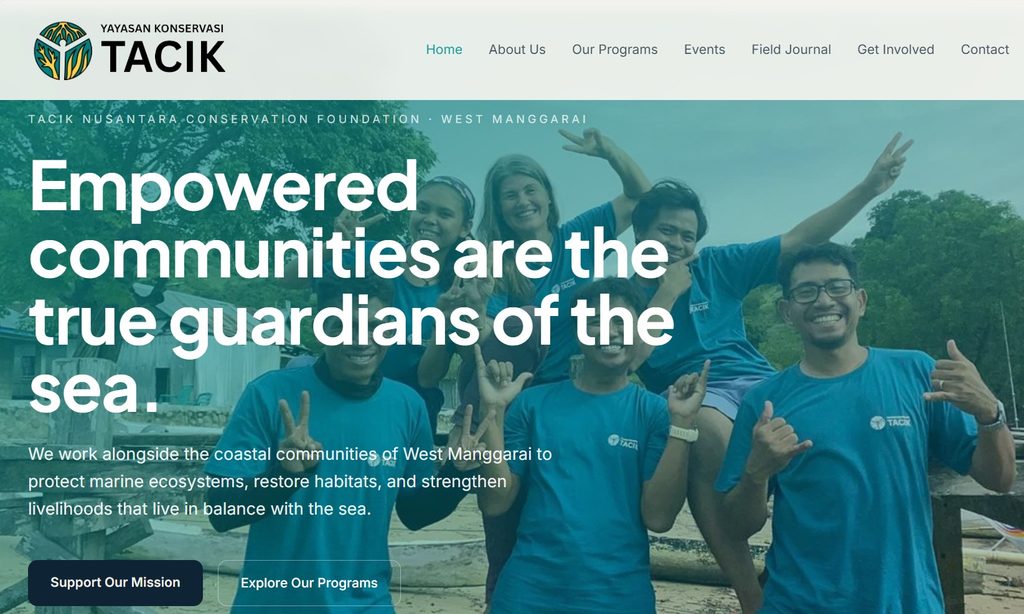
You can donate to Konservasi Tacik through GoFundMe at:
https://www.gofundme.com/f/empower-indonesian-communities-to-protect-marine-resources
And find out more at:
https://www.konservasitacik.org
https://www.facebook.com/konservasitacik
https://www.instagram.com/konservasitacik

Dive Komodo offers excellent, environmentally friendly PADI diving services from Labuan Bajo. They cater to liveaboard and daytrip divers. The company is one of the pioneering dive operators in the region. DK have been exploring the marine world of Komodo for more than 30 years. https://divekomodo.com
Trash Hero organises beach clean-ups in Flores and more widely across the region. Help rid the marine environment of plastic waste, and meet some awesome people (locals and travellers) at the same time! https://trashhero.org
To learn more of WWF’s work in Komodo:
https://www.wwf.id/en/tags/komodo-national-park
To learn about the Indonesian Waste Platform, click the link below:
Indonesian Waste Platform – 🌿 Bersama Kita Bersihkan Tanah Air 🌿 Together We Clean The Nation 🌿
Komodo has similarities to the film Jurasic Park.
Islands of wonders roamed by dragons, with marine life in pristine biodiversity in its watery realms.
Development did not end well, gold diggers beware!!!!.